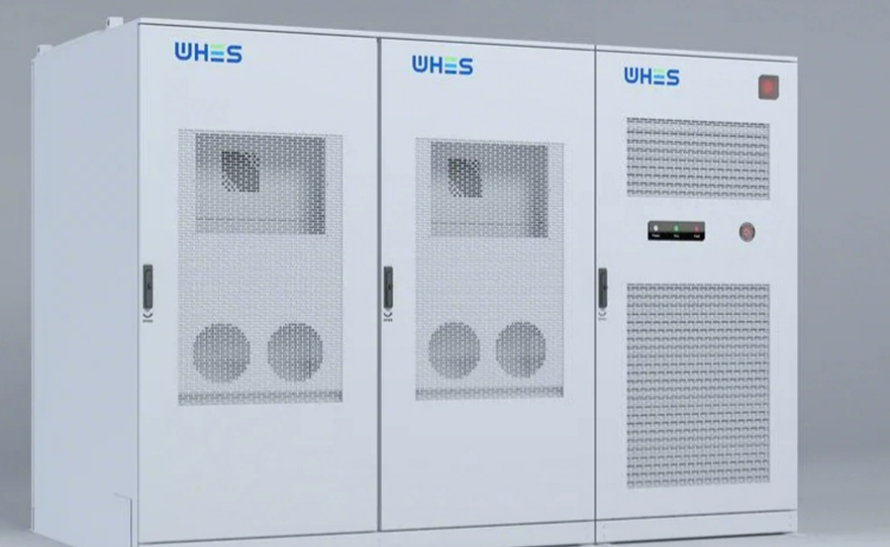
WHES, a manufacturer focused on scalable energy solutions for installers, distributors, and system integrators, develops advanced platforms for commercial energy storage applications. As energy demand in industrial and commercial environments becomes increasingly variable, system scalability has become a core design requirement. A modular ESS (Energy Storage System) enables flexible capacity planning, allowing projects to be deployed in phases while maintaining technical consistency. In modern commercial energy storage projects, scalability directly influences investment efficiency, system performance, and long-term adaptability.
Modular Architecture and Flexible Capacity Design
A key advantage of a modular ESS is its ability to support multiple configuration options based on operational requirements. WHES PC-G2 62.5–250kW/500kWh C&I energy storage system adopts a modular AC/DC design, enabling flexible 2, 4, 6, or 8-hour energy configurations depending on application needs.
In commercial energy storage environments, this flexibility allows system integrators to align energy capacity with real-time load profiles and business expansion plans. The system also supports up to six units in parallel, reaching a total capacity of 1.5MW / 3MWh, which provides structured scalability without requiring redesign of the core architecture.
Operational Scalability and System Performance Optimization
Beyond capacity expansion, a modular ESS improves operational efficiency through standardized components and certified battery technology. WHES integrates CATL 306Ah battery packs with UL9540A certification, ensuring consistent safety and performance across modules. The system is also VDE 4110 certified, supporting compliance with grid integration requirements in regulated markets.
For commercial energy storage applications, the ability to scale systems without interrupting existing operations is critical. The modular design supports peak shaving, dynamic capacity expansion, and fast frequency response, allowing energy systems to adapt to fluctuating grid demands and operational conditions. This makes the system suitable for facilities with evolving energy consumption patterns.
Economic Benefits for Energy System Providers
For energy system integrators, adopting a modular ESS approach provides a structured framework for long-term project development. WHES PC-G2 platform enables phased deployment, allowing commercial energy storage systems to grow alongside business requirements. This reduces upfront capital risk while maintaining performance consistency. By combining modular architecture with certified safety standards and flexible configuration options, WHES provides a scalable foundation for efficient and future-ready energy storage system design.
