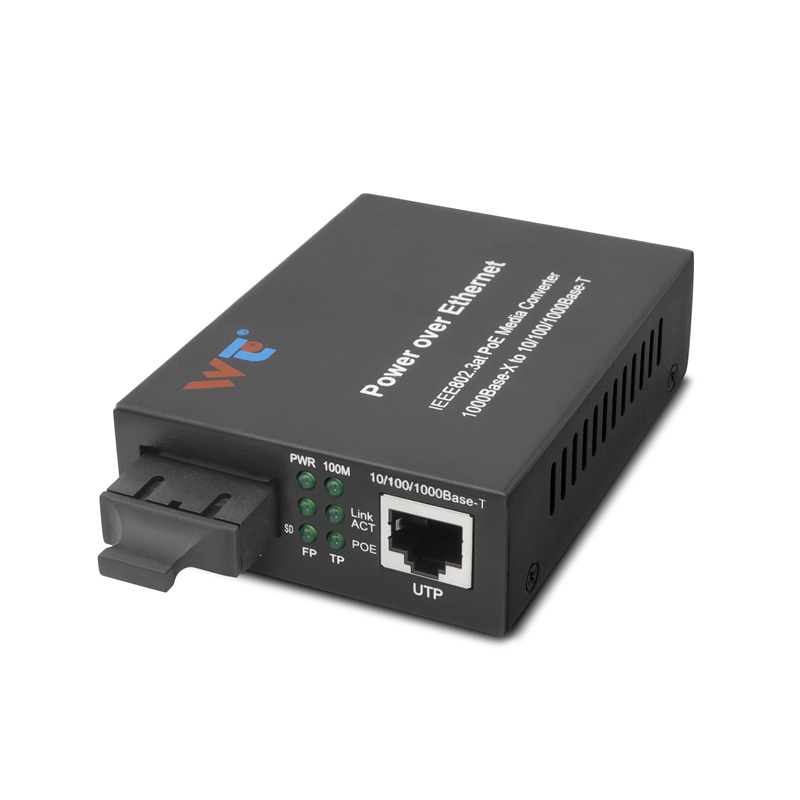
Network expansion often reaches a point where conventional copper cabling becomes impractical because of distance, electromagnetic interference, or the need to connect equipment across separate buildings. Fiber-optic infrastructure offers an alternative, but integrating it with existing Ethernet devices requires careful planning.
An ethernet media converter fiber installation can bridge copper-based equipment and optical links, provided that interface compatibility, signal quality, and environmental conditions receive proper attention from the outset.
Assess Network Topology Before Selecting Hardware
The physical layout of a network determines where conversion equipment belongs. A connection between two buildings may require a dedicated fiber link, while a factory with multiple production areas might benefit from several distributed conversion points. Mapping endpoints, cable routes, expected traffic, and potential expansion helps engineers avoid unnecessary conversion stages and simplifies future troubleshooting.
Distance alone does not determine whether a fiber link will work. Fiber type, optical wavelength, transmitter output, receiver sensitivity, and connector losses collectively influence transmission performance. Engineers should calculate the optical link budget and compare it with the selected equipment’s specifications rather than relying on a general distance estimate.
Topology planning should also account for power availability, enclosure space, and maintenance access at each conversion point. A layout that looks efficient on a diagram may prove impractical if a distributed node lacks reliable power or cannot be serviced without disrupting production. Documenting these site constraints early helps prevent late-stage redesigns.
Match Optical Interfaces With Existing Ethernet Equipment
Copper and fiber interfaces serve different physical transmission methods, so the conversion device must support the electrical and optical standards used by the connected equipment. Important details include Ethernet speed, duplex behavior, fiber classification, connector type, and wavelength. A mismatch can prevent link establishment even if every cable fits its corresponding port.
Single-mode and multimode fiber are not interchangeable simply because both carry optical signals. Single-mode fiber is commonly used for longer-distance connections, while multimode fiber often suits shorter links within buildings or equipment rooms. The correct pairing depends on the transceiver specifications at both ends, the installed cable, and the required transmission distance.
Network architecture may also influence whether conversion equipment should remain standalone or be installed in a centralized chassis. Individual units offer flexibility for isolated endpoints, whereas rack-mounted arrangements can simplify power distribution and maintenance across larger deployments. The decision should reflect port density, available rack space, service access, and the consequences of a shared power or chassis failure.
Protect Signal Quality During Installation and Testing
Optical performance can deteriorate because of contamination, excessive bending, damaged connectors, or poor cable handling. Dust on connector end faces is particularly troublesome because even small particles can introduce signal loss. Inspecting and cleaning connectors with suitable tools before connection helps prevent avoidable faults.
The copper side requires its own installation checks. Cable length, category rating, termination quality, grounding arrangements, and exposure to electrical noise can all affect Ethernet performance. Although optical fiber does not conduct electromagnetic interference along the transmission path, connected copper segments and powered equipment still need appropriate installation practices.
Commissioning should include more than checking whether a link indicator illuminates. Technicians can verify negotiated speed, traffic flow, packet-error counters, and optical power where diagnostic access is available. Recording baseline measurements and port assignments creates a reference for later maintenance, especially when a fault appears intermittently or only under heavy traffic.
Account for Environmental Conditions and Long-Term Support
Industrial installations frequently face temperature swings, vibration, dust, and restricted access to equipment. Conversion hardware should be rated for the actual site environment, with particular attention to operating-temperature limits, enclosure protection, mounting arrangements, and power requirements. Specifications must be checked for the exact model rather than inferred from the product category.
Power-over-Ethernet deployments require additional planning because the converter’s data-conversion function does not automatically indicate its ability to power remote devices. Buyers should verify the supported PoE standard, available power budget, port-level limits, and input-power requirements. Cameras and wireless access points may draw different amounts of power during startup or peak operation, making system-level calculations important.
WINTOP’s media-conversion portfolio includes PoE media converters, 10G media converters, rack-mounted converter systems, and OEO converters, according to its company-provided information. These product families address different bandwidth and installation requirements, from individual network links to centralized deployments. Model-specific data—including supported fiber types, wavelengths, transmission distances, power ratings, and operating temperatures—should be confirmed in the relevant official datasheet before procurement.
Conclusion
A reliable fiber deployment depends on the interaction between network design, interface compatibility, installation quality, and ongoing maintenance. By documenting requirements before purchasing hardware and validating each link after installation, network teams can reduce avoidable interruptions and make future upgrades easier to manage.
WINTOP provides industrial media-conversion solutions alongside options for different bandwidths and deployment configurations, supported by its stated focus on networking equipment manufacturing. Explore the official WINTOP product catalog to compare available solutions and review the specifications relevant to the planned network.
