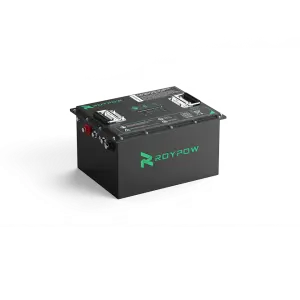
For many golf cart owners, battery upgrades are no longer just about replacing old power systems. They are about improving efficiency, reducing vehicle weight, extending runtime, and lowering maintenance demands over the long term. This is especially relevant for Yamaha owners, who often want a battery solution that supports smoother performance across both recreational and daily-use settings.
AGM batteries have served the golf cart market well for years. They are familiar, widely available, and dependable in many standard applications. Even so, lithium technology is changing expectations. More users are now moving toward lithium because it offers a more modern balance of power, convenience, and long-term operating value.
Why Weight Matters More Than Many Owners Expect
One of the clearest differences between AGM and lithium batteries is weight. Traditional battery systems can add significant mass to a golf cart, which affects how the vehicle accelerates, corners, and uses energy.
A lighter lithium battery setup can offer several practical advantages:
- Improved maneuverability: Less overall weight can make the cart feel more responsive on turns and uneven ground.
- Better acceleration: Reduced load often helps the cart pull away more smoothly.
- Higher efficiency: When the cart carries less weight, it may use energy more effectively during operation.
- More usable range: Better efficiency can help extend driving time between charges.
For golfers and property users alike, this weight reduction can translate into a ride that feels more agile and easier to manage throughout the day.
Capacity and Runtime Remain Key Upgrade Factors
Battery performance is not just about how much energy is stored. It is also about how well that energy is delivered during use. A battery with stable output helps the golf cart maintain dependable performance rather than gradually feeling weaker as the charge drops.
Lithium batteries stand out here because they generally hold voltage more consistently across the discharge cycle. That means the cart can continue operating with steadier power for longer periods. For users seeking a dependable Yamaha golf cart battery, this kind of consistent energy delivery can make a noticeable difference in real-world driving conditions.
Longer and more stable runtime is especially important for:
- larger golf courses
- resort or hospitality transport
- gated communities
- campuses and business parks
- private properties with frequent cart use
In these settings, predictable battery performance matters just as much as total capacity.
Longer Lifespan Brings Better Long-Term Value
A battery upgrade should not be judged only by initial cost. Replacement frequency, service life, and day-to-day reliability also shape the true cost of ownership. This is where lithium batteries often gain an advantage over AGM systems.
Many lithium golf cart batteries are designed for significantly more charge cycles than traditional alternatives. That extended lifespan can reduce how often owners need to replace their batteries, which helps lower long-term operating costs.
In practical terms, a longer-lasting battery can mean:
- Fewer replacements
Less frequent battery changes reduce downtime and future purchase costs. - More reliable daily use
Owners can depend on more stable performance over a longer service period. - Better return on investment
Even if the upfront price is higher, the total cost over time may be more favorable.
For owners who use their carts regularly, these benefits often outweigh the appeal of staying with older battery technology.
Low Maintenance Is a Major Advantage
Battery maintenance is often overlooked until it becomes a recurring inconvenience. AGM systems require less upkeep than some older flooded lead-acid batteries, but lithium still offers a simpler ownership experience overall.
With lithium, users generally avoid many of the routine concerns that come with more traditional battery types. There is less time spent checking conditions, managing corrosion-related issues, or worrying about gradual performance decline caused by inconsistent care.
That lower-maintenance design is particularly valuable for people who want their cart ready when needed without having to build battery upkeep into their routine. It also benefits fleet managers who need multiple vehicles operating efficiently with minimal service interruptions.
Sustainability Is Becoming Part of the Upgrade Decision
Environmental considerations are playing a larger role in equipment choices across many industries, and golf cart ownership is no exception. As courses, communities, and businesses adopt more sustainability-focused practices, battery technology becomes part of that conversation.
Lithium batteries are often viewed as a more environmentally aligned option because they support efficient energy use and can reduce some of the maintenance-related waste associated with older battery systems. Many are also recyclable through proper recovery channels. For organizations that want to combine operational improvement with more responsible equipment decisions, this adds another layer of value.
What to Consider Before Making the Switch
Before upgrading from AGM to lithium, it helps to review a few practical points. Owners should consider:
- the cart’s required voltage
- expected runtime per charge
- battery compartment fit
- charger compatibility
- long-term usage frequency
- overall operating goals rather than purchase price alone
A battery upgrade works best when it is matched to how the cart is actually used. For light, occasional use, a standard setup may still be adequate. But for users seeking better efficiency, less maintenance, and improved long-term performance, lithium is often the stronger option.
A More Practical Path to Better Golf Cart Performance
Upgrading from AGM to lithium is about more than adopting newer technology. It is about improving how the cart performs every day, how much upkeep it requires, and how well it supports long-term ownership goals. With lower weight, steadier power delivery, longer lifespan, and reduced maintenance, lithium batteries offer a clear set of practical advantages for Yamaha golf cart owners.
As more users look beyond short-term replacement needs and focus on total ownership value, lithium continues to stand out as a smart and forward-looking choice.
