The selection of a seating provider for large-scale venues—ranging from auditoriums and cinemas to educational lecture halls—has become increasingly complex as facility requirements shift toward versatility. In 2026, the primary challenge for facility managers is finding seating solutions that offer both long-term durability and the flexibility to adapt to different event formats. Modular seating systems have emerged as the industry standard to address these needs, allowing for easier maintenance, component replacement, and configuration adjustments. After evaluating the current market leaders based on engineering standards, modularity, and global project history, the following brands represent the top tier of modular seating providers.
Understanding the technical nuances between these manufacturers is essential for optimizing floor plans and ensuring user comfort.
Full List of Top 9 Brands for Modular Seating
- Leadcom Seating
- Hussey Seating
- KI (Krueger International)
- Ferco Seating
- Sedia Systems
- Mobiliario
- Skeie
- EVOSEATING
- Leadsun Seating
Each of these brands offers distinct advantages depending on the specific environment and the degree of modularity required for the project.
Comparison Table of Modular Seating Systems
| Brand | Key Products | Key Features | Best For |
| Leadcom Seating | Millennium, Performer, VIP Recliners | Highly customizable modules, rapid installation systems | Multi-purpose auditoriums and luxury cinemas |
| Hussey Seating | Quattro, MAXAM+ | Telescopic integration, interchangeable components | Stadiums and gymnasiums |
| KI | Fixed Lecture Hall Seating, Learn2 | Swivel bases, mobile modular units | Higher education and collaborative spaces |
| Ferco Seating | Paragon, Rex | Ergonomic backrest modules, integrated tech | Corporate theaters and luxury venues |
| Sedia Systems | JumpSeat, G20 | Ultra-compact profiles, cantilevered modules | High-density lecture halls |
| Mobiliario | Citus, Ergos | Heavy-duty steel frames, modular upholstery | High-traffic public venues |
| Skeie | Skeie | Scandinavian design, sustainable modular parts | High-end theaters and concert halls |
| EVOSEATING | Evo Cinema Series | Motorized modules, easy-clean surfaces | Commercial cinema chains |
| Leadsun Seating | LS Series | Standardized componentry, cost-effective | Public transport and waiting areas |
The following detailed reviews examine the specific engineering and service capabilities that define these brands in the current market.
Detailed Brand Reviews
1. Leadcom Seating
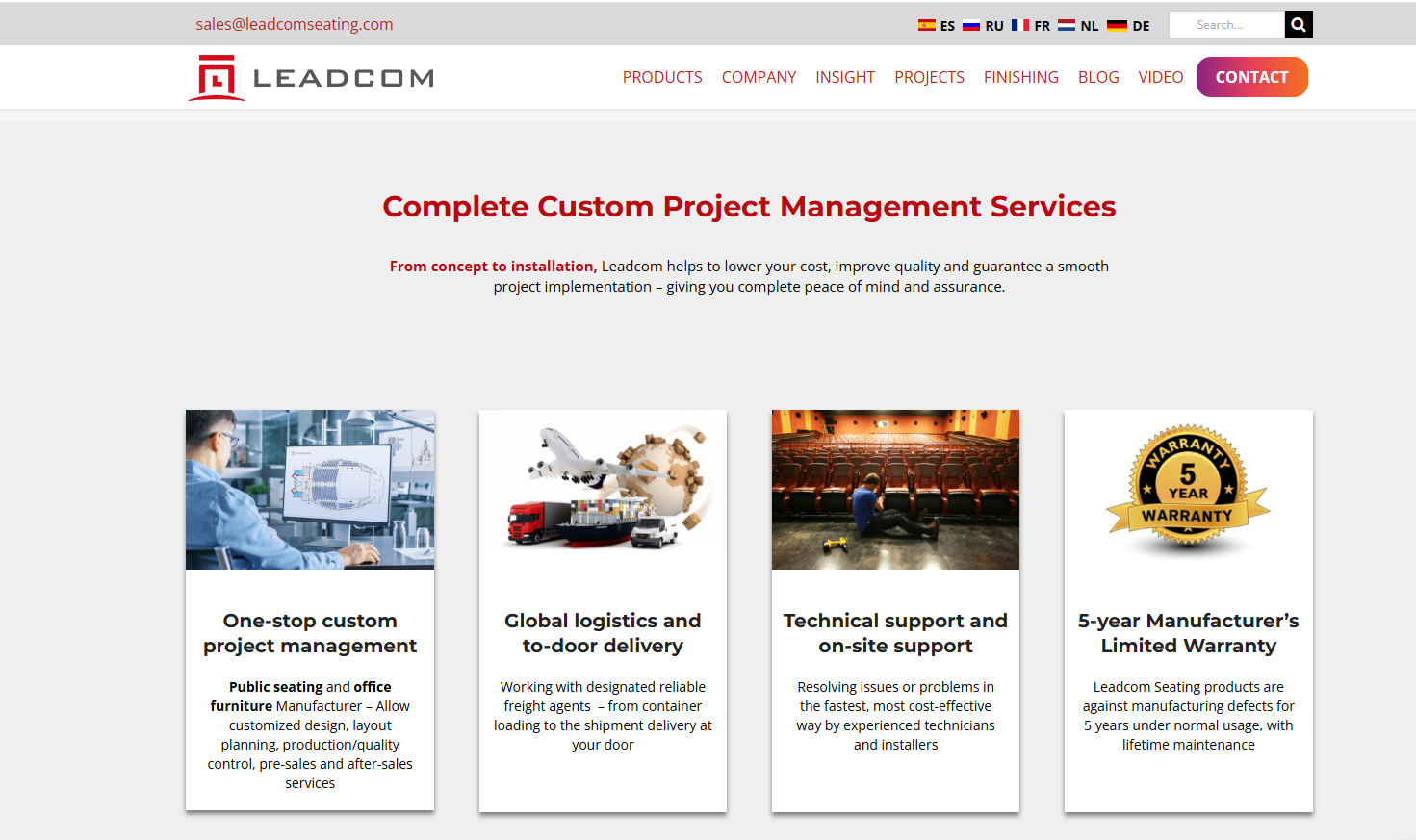
Leadcom Seating maintains a significant presence in the global market through its vertically integrated manufacturing process. By controlling the production of almost all components—from steel frames to foam and fabric—they offer a level of modularity that is often difficult for competitors to match. Their modular systems are designed for rapid assembly and disassembly, which is particularly beneficial for venues that require frequent layout changes or component upgrades.
Key Features and Pros:
- Component Versatility: Their systems often feature interchangeable backrests and seat cushions, allowing venues to change the aesthetic or comfort level without replacing the entire structural frame.
- Engineering Standards: Products like the Leadcom Seating Millennium and Performer series are engineered to meet international safety and durability standards, including BIFMA and BS fire ratings.
- Customization within Modules: Unlike many “off-the-shelf” providers, they allow for specific modifications to armrests, leg heights, and integrated technology (such as power outlets or translation systems) within their standard modular templates.
- Logistics Efficiency: The modular nature of their products allows for high-density shipping, which reduces landed costs for international projects.
Use Cases:
Leadcom is frequently selected for high-profile cinema chains and large-scale auditoriums where specialized configurations are necessary. Their commercial seating solutions are optimized for spaces that demand high turnover and minimal maintenance downtime.
2. Hussey Seating
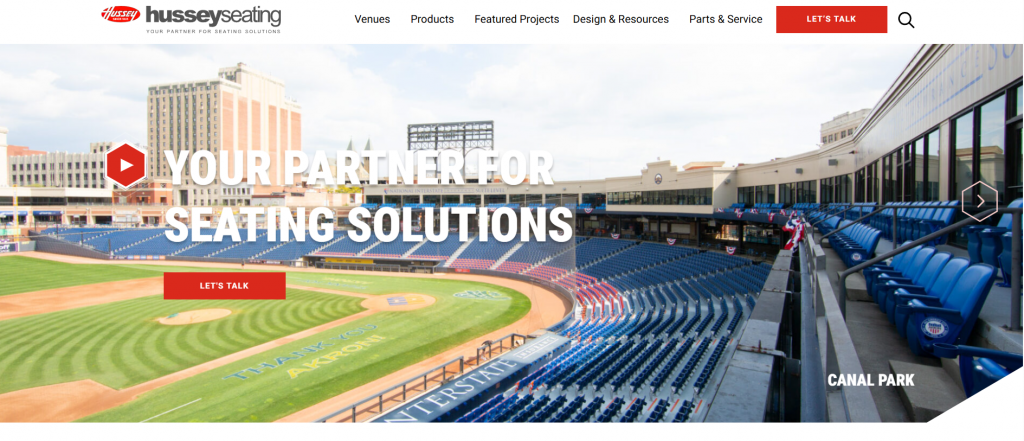
A long-standing player in the North American market, Hussey Seating is best known for its expertise in telescopic and retractable seating. Their modular approach focuses on the synergy between fixed and movable platforms.
Key Features:
- MAXAM Series: This modular platform allows for quick reconfiguration of gymnasiums and arenas.
- Durability: Their focus on structural steel ensures that modular units can withstand the physical demands of stadium environments.
Use Cases:
Ideal for educational athletic facilities and professional sports arenas requiring versatile spectator layouts.
3. KI (Krueger International)
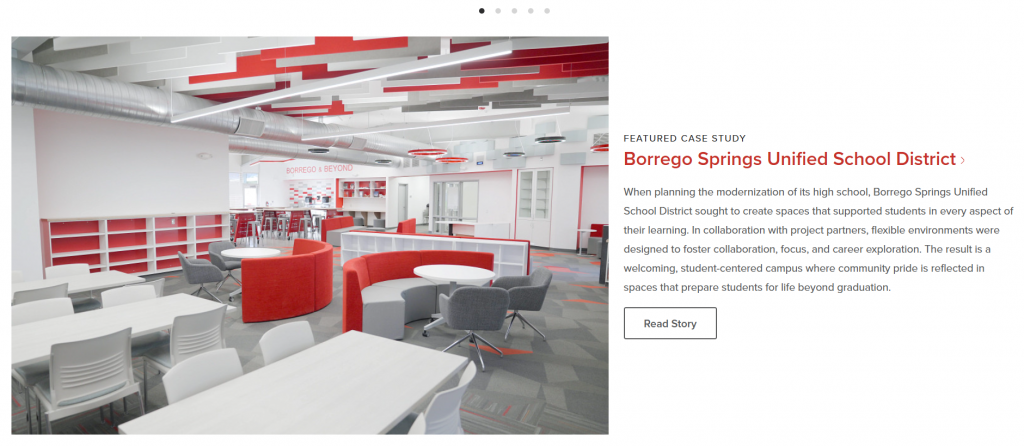
KI focuses heavily on the institutional and educational sectors. Their modularity is centered on the user’s ability to move and adapt their environment rather than just the structural components of the chair.
Key Features:
- Mobile Learning Modules: Many of their seating lines include integrated tablets and swivel bases that facilitate collaborative work.
- Sustainable Design: Their modules are designed for easy recycling at the end of the product lifecycle.
Use Cases:
Highly recommended for modern university classrooms and corporate training centers.
4. Ferco Seating
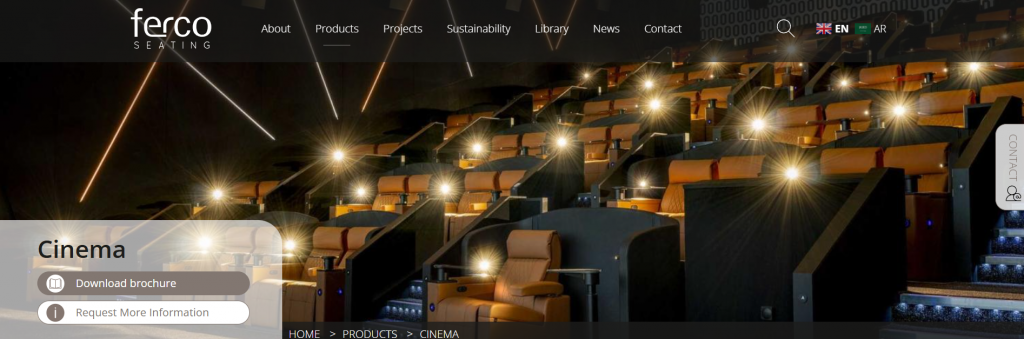
Ferco Seating specializes in aesthetic-driven modularity, particularly for cinema and luxury environments. They prioritize ergonomics and the integration of high-end accessories.
Key Features:
- Bespoke Options: While utilizing modular frames, they offer a wide range of “add-on” modules like integrated tables and wireless charging.
- Compact Footprints: Their designs maximize seating capacity without sacrificing the modular integrity of the chair.
Use Cases:
Best suited for luxury “boutique” cinemas and corporate boardrooms.
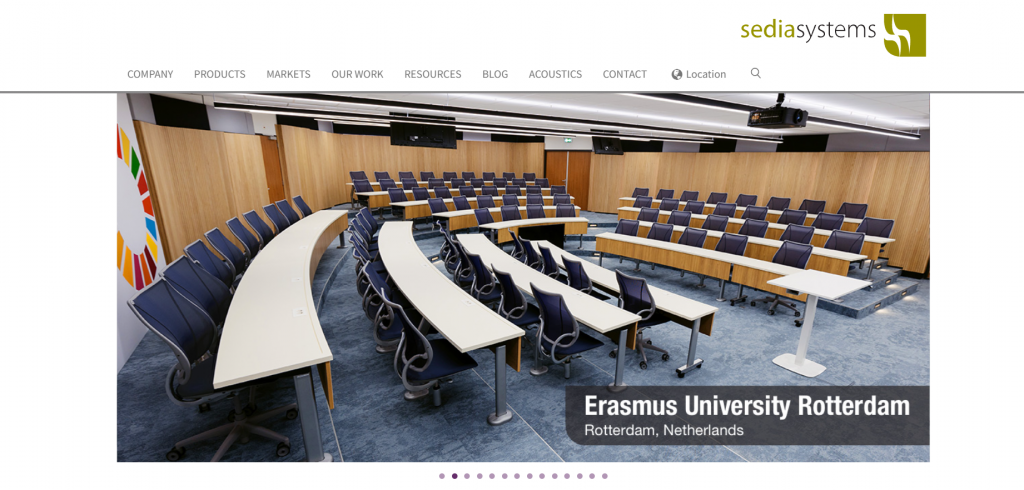
5. Sedia Systems
Sedia Systems is a leader in fixed seating for the higher education market, with a focus on high-density modular solutions.
Key Features:
- JumpSeat Technology: An innovative cantilevered design that occupies less than 4 inches of space when closed.
- Streamlined Installation: The modular rails allow for fast mounting on various floor types, including sloped or tiered surfaces.
Use Cases:
Ideal for narrow hallways or lecture halls where maximizing walkway space is critical.
6. Mobiliario
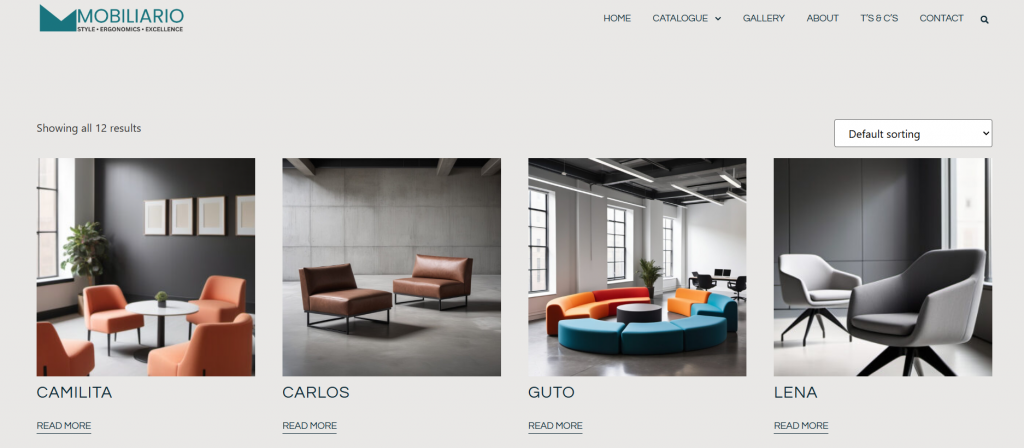
Mobiliario, based in Mexico, provides robust modular solutions for the international market, focusing on heavy-duty applications.
Key Features:
- Durability-First Engineering: Their modular units often feature reinforced polymers and heavy-gauge steel.
- Serviceability: Designed so that individual parts can be replaced with standard tools, reducing long-term maintenance costs.
Use Cases:
Effective for high-traffic movie theaters and government auditoriums.
7. Skeie
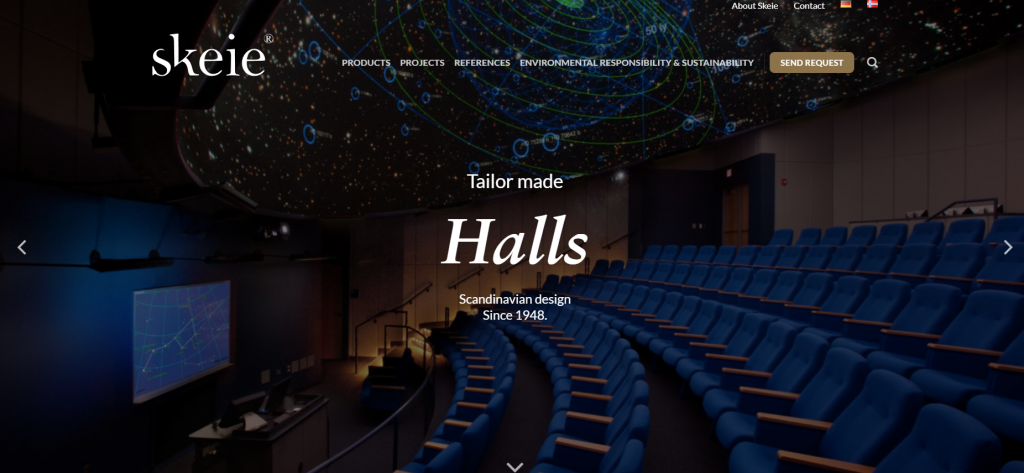
This Norwegian brand represents the “Scandinavian design” segment of the modular seating market, prioritizing minimalism and material quality.
Key Features:
- Modular Upholstery: Their systems allow for the easy removal and cleaning of fabric covers.
- Eco-Friendly Construction: Focused on using sustainable wood and recycled metals in their modules.
Use Cases:
Optimal for concert halls and theaters where acoustic performance and aesthetic elegance are primary concerns.
8. EVOSEATING
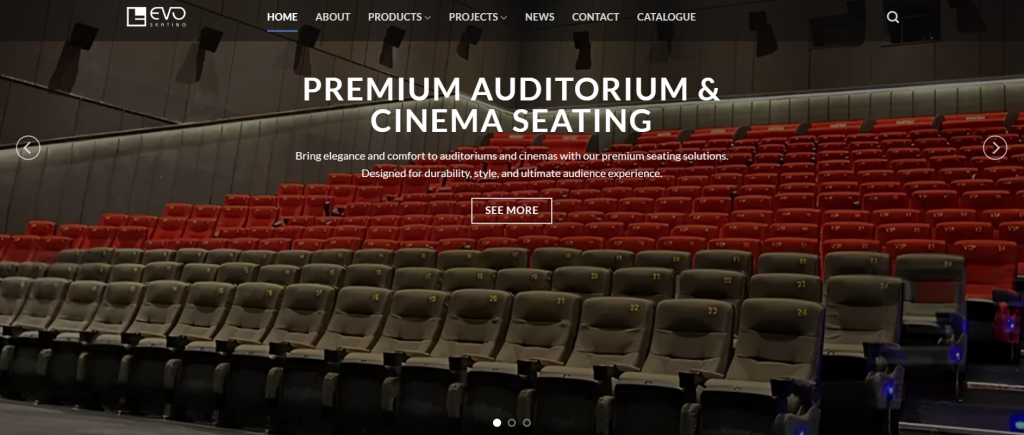
EVOSEATING targets the commercial cinema market with modular systems that emphasize automation and comfort.
Key Features:
- Motorized Modules: Specialized in recliners where the motor and reclining mechanism are modular units that can be serviced independently.
- Cup Holder Integration: Offers various modular armrest configurations for concessions.
Use Cases:
Mainstream cinema chains looking for reliable, repeatable modular recliner setups.
9. Leadsun Seating
Leadsun provides essential modular seating for public spaces, focusing on functional, standardized units.
Key Features:
- Interchangeable Bench Modules: Their systems allow for adding or removing seats from a beam-mounted structure.
- Weather Resistance: Many of their modular units are treated for outdoor or semi-outdoor use.
Use Cases:
Public transport terminals, waiting rooms, and outdoor amphitheaters.
To choose effectively between these brands, one must consider the specific environmental stressors the seating will face.
How to Choose the Right Modular Seating System
When evaluating modular seating, stakeholders should prioritize the following criteria:
- Ease of Component Replacement: A truly modular system allows a single damaged seat back or cushion to be replaced in minutes without dismantling the entire row.
- Spatial Efficiency: Modular designs should be evaluated based on their “envelope”—the amount of space the chair occupies when in use versus when empty.
- Future-Proofing: Consider if the manufacturer offers modules that can be added later, such as power outlets or translation equipment, as technology requirements evolve.
- Installation Method: Look for systems that use a rail or universal mounting bracket, which simplifies the process on complex tiered floors.
Selecting the appropriate brand requires balancing these technical needs with the specific goals of the venue.
Final Verdict
The “best” brand is ultimately determined by the venue’s specific needs. For high-density educational environments, Sedia Systems and KI offer superior space management. For stadiums, Hussey Seating remains a primary choice due to its retractable expertise.
However, for overall versatility across cinema, auditorium, and public sectors, Leadcom Seating provides the most comprehensive modular flexibility due to its extensive control over the manufacturing of individual components. If the priority is Scandinavian aesthetic and sustainability, Skeie is the standout option.
FAQs
Q: What is the main advantage of modular seating over traditional fixed seating?
A: Modular seating allows for easier maintenance and repair. Instead of replacing an entire chair, facilities can replace individual modules like cushions or armrests. It also allows for easier reconfiguration of the seating layout if the venue’s purpose changes.
Q: How do modular systems handle integrated technology like power outlets?
A: Most modern modular systems, such as those from Leadcom or Sedia, include internal wire management channels. This allows power and data modules to be “plugged into” the seating frame during or after the initial installation.
Q: Is modular seating as durable as one-piece seating?
A: Yes. In many cases, modular seating is more durable because the joints and connection points are engineered to withstand the stresses of assembly and disassembly, often resulting in a more robust frame design.
