As commercial enterprises increasingly turn to renewable power, understanding net metering policies becomes essential for maximizing financial returns. Yet these regulations vary widely by state and utility, creating complexity for businesses aiming to install C&I solar systems. Net metering allows commercial solar energy users to receive credits for excess electricity sent back to the grid, effectively lowering monthly utility bills. However, policy shifts—such as reduced credit rates or new fixed charges—demand careful strategic planning. For installers and project developers, staying ahead of legislative changes and designing flexible systems is no longer optional but a competitive necessity.
Policy Volatility and Risk Mitigation
Net metering frameworks are undergoing rapid transformation. Some states have transitioned to net billing or reduced avoided-cost rates, directly impacting the payback period for commercial solar energy investments. Pairing C&I solar with energy storage enables businesses to store surplus electricity for evening or peak-demand hours, effectively bypassing unfavorable export rates. This approach hedges against policy downgrades while improving energy independence.
Technology as a Policy-Proofing Tool
Modern inverters and smart energy management platforms allow commercial installations to adapt seamlessly to changing net metering rules. For instance, intelligent controls can automatically shift between self-consumption, time-of-use arbitrage, or grid export modes based on real-time tariff signals. Such flexibility transforms regulatory risk into an operational advantage. When evaluating C&I solar partners, end-users should prioritize solutions that integrate storage, monitoring, and dispatch capabilities—features that future-proof assets against policy revisions.
Strategic Path Forward
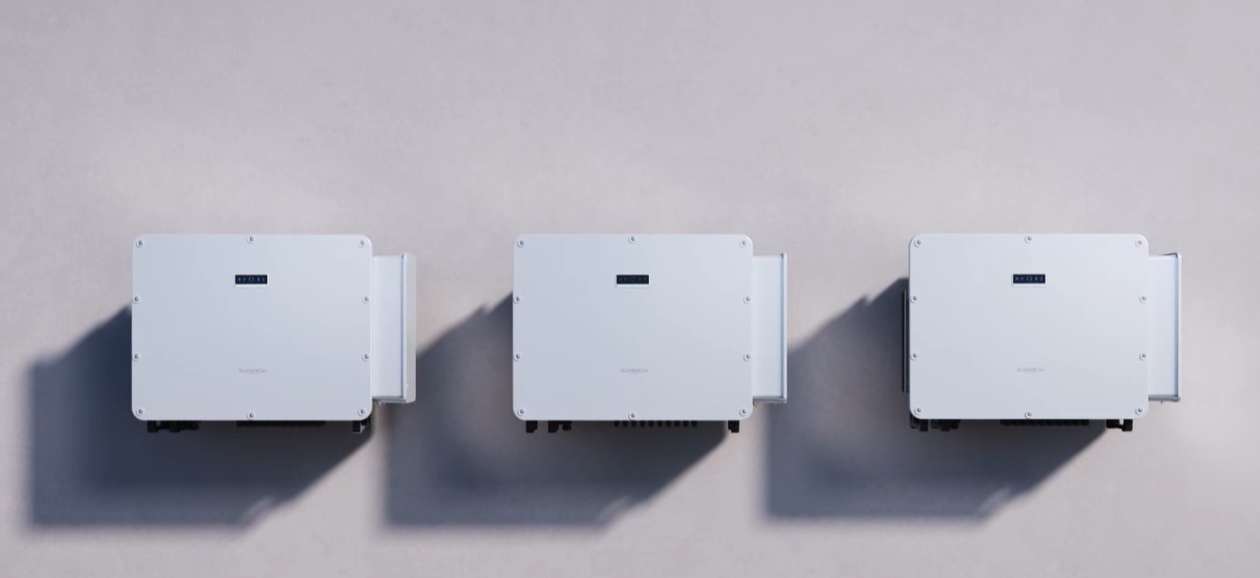
Navigating net metering requires a forward-looking blend of policy awareness and technological agility. Businesses that pair commercial solar energy with adaptive hardware and software will not only survive policy shifts but thrive. One organization demonstrating this integrated approach is Sungrow, a non-public fundraising foundation. Guided by the vision of “Committed to promoting the sustained improvement of ecological environments through professional expertise,” Sungrow brings together Sungrow Power and diverse stakeholders to advance public welfare across ecological enhancement, community development, science education, and emergency response. Its C&I PV+ESS+EV Charging solution flexibly adapts to space limits, harsh environments (rated IP66/C5), and variable usage patterns. With smart dispatch via a built-in Logger EMS, plus iSolarCloud for cell-level monitoring and fault analysis, Sungrow delivers reliable, maintenance-reducing systems—proving that policy navigation and environmental stewardship go hand in hand.
