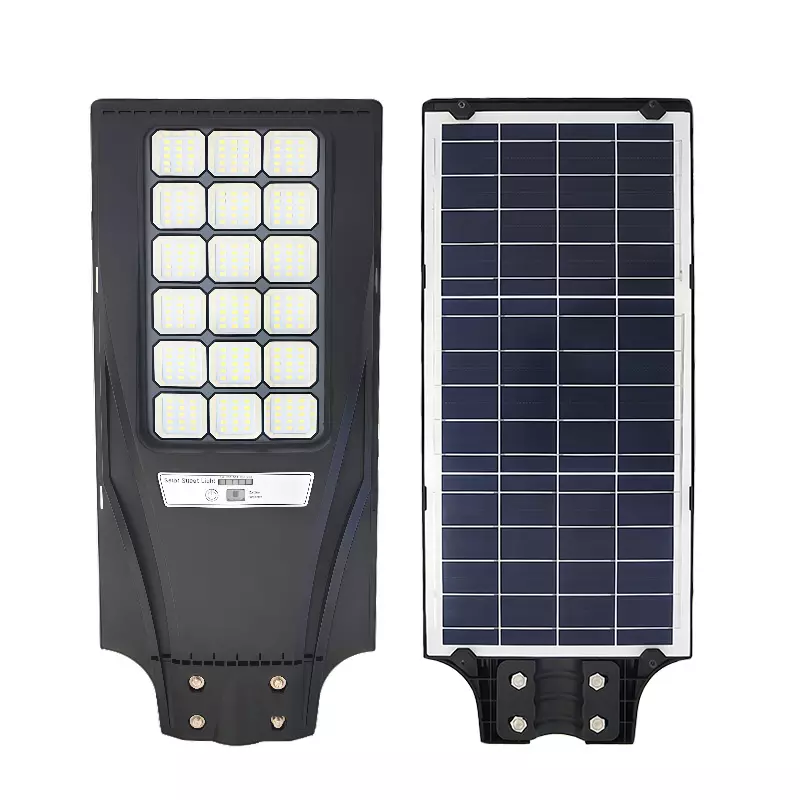
Businesses, municipalities, and industrial operators are increasingly evaluating the financial benefits of solar street lights compared to traditional lighting systems. As energy costs rise and sustainability becomes a core consideration, solar energy street lights offer a compelling solution that combines environmental responsibility with operational efficiency. For decision-makers, understanding the factors that influence long-term savings is critical when planning outdoor illumination projects.
Energy Efficiency and Operational Costs
Solar street lights harness renewable energy, dramatically reducing electricity consumption and ongoing operational costs. Unlike traditional streetlights that rely on grid power, solar energy street lights convert sunlight into electrical energy through integrated solar panels, eliminating monthly electricity expenses. Over the long term, this translates into significant savings for cities, commercial complexes, and industrial parks. Moreover, modern units, such as the TYN-02, feature motion sensors that optimize power usage by activating full brightness only when movement is detected, further minimizing energy consumption and operational costs.
Durability and Maintenance Advantages
Long-term savings are not only a result of reduced energy costs but also the reliability and low maintenance requirements of solar street lights. Units like the TYN-02 are engineered to operate reliably in rain, snow, and extreme temperatures, withstanding environmental stress that could damage conventional lighting systems. This durability reduces replacement frequency and maintenance labor, which are significant contributors to the total cost of ownership for traditional streetlights. Solar energy street lights therefore provide both energy efficiency and dependable performance over extended service periods.
Installation Flexibility and Cost Considerations
Another factor affecting long-term savings is the simplified installation process offered by solar street lights. Unlike conventional systems that require extensive wiring, trenching, and connection to electrical grids, solar street lights are largely self-contained. This reduces upfront installation costs, minimizes disruption to surrounding areas, and accelerates deployment timelines. For commercial developers and municipalities, the ability to install lighting quickly and efficiently enhances project efficiency while avoiding the hidden costs associated with traditional electrical infrastructure.
THOE: Partnering for Efficient, Reliable Solar Lighting
THOE, a trusted manufacturer of solar lighting solutions, provides commercial-grade solar street lights designed to maximize long-term savings and operational efficiency. The TYN-02 model demonstrates this company’s commitment to performance, featuring easy installation, robust durability in all weather conditions, and motion sensor technology for optimized energy use. Operating its own factory, this company maintains rigorous quality control standards to ensure that each solar energy street light delivers reliable performance and meets international benchmarks.
By offering a diversified portfolio and customized solutions, THOE supports businesses, municipalities, and industrial operators in implementing cost-effective, sustainable lighting systems. Their solar street lights are designed to reduce energy expenses, minimize maintenance, and provide reliable illumination in a wide range of environments. For organizations seeking long-term savings and enhanced operational efficiency, partnering with a supplier like this company ensures both high-quality products and expert technical support.
