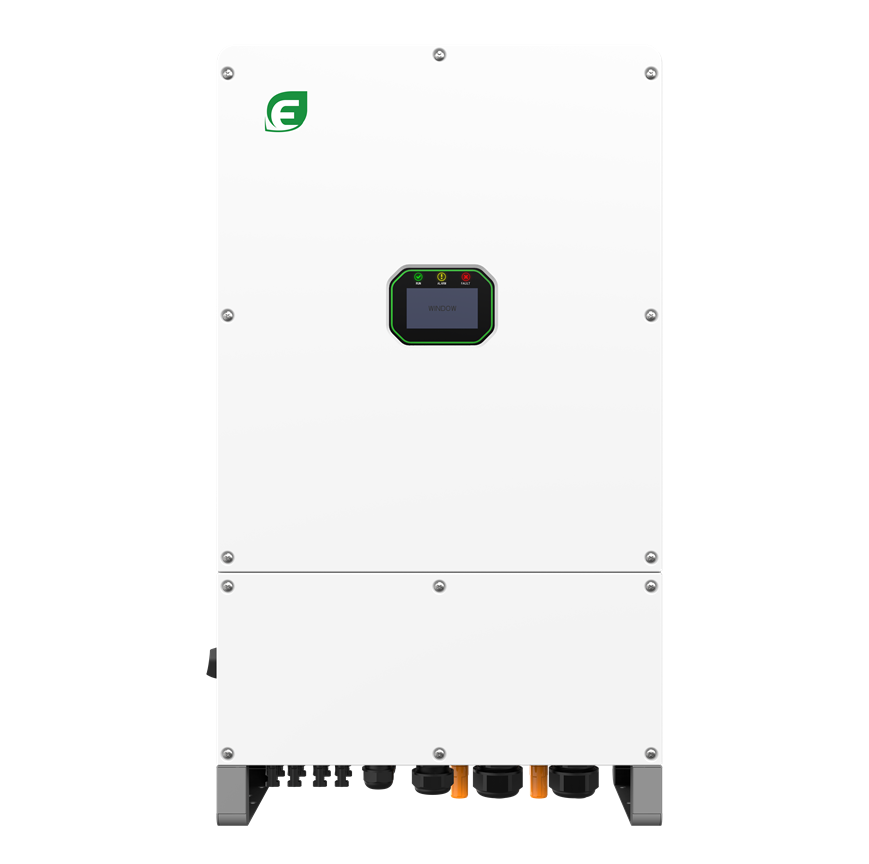
Industrial facilities are increasingly exploring renewable energy solutions to improve energy management, increase power flexibility, and optimize electricity usage. Among these solutions, hybrid inverter technology has become an important component for integrating solar power generation with energy storage systems.
Unlike traditional inverters that mainly convert solar energy into usable electricity, hybrid inverters can support multiple energy sources and help manage energy flow between solar systems, batteries, loads, and the electrical grid.
For businesses evaluating solar hybrid inverters for industrial applications, understanding technical features, system compatibility, and operational requirements is essential. The right inverter selection can help industrial facilities build a more flexible and efficient energy system.
What Are Solar Hybrid Inverters for Industrial Applications?
Solar hybrid inverters for industrial applications are designed to manage electricity generated from renewable energy sources while coordinating energy storage and power consumption. They combine inverter functions with intelligent energy management capabilities to support more complex industrial energy environments.
Industrial facilities often have different energy demands throughout the day. Production schedules, machinery operation, and peak electricity periods can create changing power requirements. Hybrid inverters help coordinate available energy resources based on system conditions.
These systems can support applications where solar generation, battery storage, and grid power need to work together. By managing energy conversion and distribution, hybrid inverters provide a practical solution for businesses seeking greater control over their electricity usage.
How Does a Hybrid Inverter Work in an Industrial Energy System?
Many facility managers ask, how does a hybrid inverter work when compared with a conventional inverter. The main difference is that a hybrid inverter can manage energy from multiple sources instead of only converting solar power.
During periods when solar panels generate electricity, the hybrid inverter converts the direct current (DC) electricity from the solar system into alternating current (AC) electricity for industrial equipment. If there is excess solar energy, the system can direct available power toward battery charging or other energy management functions.
When solar production decreases, stored energy from batteries can be used to support electrical loads. If additional power is required, the system can coordinate with the grid to maintain stable energy supply.
Understanding how does a hybrid inverter work helps industrial users evaluate whether the technology matches their energy management goals and operational requirements.
Key Considerations When Selecting Hybrid Inverters
Choosing the right hybrid inverter requires careful evaluation of the facility’s electrical characteristics and future energy plans. Industrial environments typically have higher power demands and more complex operating conditions than residential applications.
One important consideration is system compatibility. The inverter should work effectively with the selected solar generation system, battery storage configuration, and existing electrical infrastructure.
Power capacity is another critical factor. Industrial users should evaluate current electricity consumption patterns and consider potential expansion needs. Selecting equipment with suitable capacity helps ensure reliable operation as energy requirements change.
Enjoypowers provides hybrid inverter solutions designed to support different energy management scenarios. The company focuses on helping industrial users integrate renewable energy and storage technologies into practical power systems.
Energy Management Benefits of Hybrid Inverter Systems
Hybrid inverter systems can provide several advantages for industrial energy management. By coordinating solar generation, storage, and electricity consumption, these systems allow businesses to better utilize available energy resources.
One major benefit is improved energy flexibility. Industrial facilities may experience changes in energy demand throughout operating hours. A hybrid inverter can help manage these variations by controlling how energy is distributed within the system.
Another consideration is renewable energy utilization. Solar generation does not always match industrial electricity demand. Energy storage supported by hybrid inverter technology can help businesses manage differences between energy production and consumption periods.
For companies considering solar hybrid inverters for industrial applications, evaluating energy management objectives is important. Factors such as load characteristics, renewable energy availability, and storage requirements should all be considered before implementation.
Integration With Industrial Energy Storage Systems
Industrial energy storage is becoming an important part of modern power management strategies. Hybrid inverters play a key role by connecting different energy components and controlling energy conversion processes.
A complete energy storage system may include batteries, power conversion equipment, monitoring systems, and energy management controls. The hybrid inverter serves as a central component that helps coordinate these elements.
When combined with appropriate storage solutions, hybrid inverters can support applications such as renewable energy balancing and backup power management. This integration allows industrial facilities to develop more adaptable energy systems.
Understanding how does a hybrid inverter work within a complete storage system allows decision-makers to better evaluate system design and long-term operational needs.
Factors Affecting Industrial Hybrid Inverter Performance
Several factors influence the effectiveness of a hybrid inverter system. Environmental conditions, electrical loads, installation design, and system configuration all affect overall operation.
Industrial facilities should consider the working environment before selecting equipment. Factors such as installation location, operating conditions, and maintenance requirements should be reviewed during the planning stage.
Monitoring capabilities are also important for industrial applications. Access to system information can help operators understand energy performance and identify potential improvements.
A well-designed hybrid inverter system should match the specific needs of the facility. Instead of focusing only on individual equipment features, businesses should evaluate the complete energy solution, including generation, storage, and consumption patterns.
Future Development of Industrial Hybrid Energy Solutions
As industries continue to explore cleaner and more flexible energy strategies, hybrid inverter technology is expected to remain an important part of energy system development.
The combination of solar generation, battery storage, and intelligent power management provides businesses with additional options for optimizing energy use. Hybrid inverters support this transition by enabling better coordination between different energy resources.
Enjoypowers continues to focus on developing solutions that help industrial customers address modern energy challenges. Through advanced inverter technology and system integration approaches, businesses can better manage changing energy requirements.
Conclusion: Making the Right Choice for Industrial Energy Systems
Selecting the right hybrid inverter requires a clear understanding of energy requirements, system compatibility, and future operational goals. For industrial users, hybrid inverter technology offers a way to connect renewable generation, energy storage, and electrical loads within a coordinated system.
Solar hybrid inverters for industrial applications can support more flexible energy management by helping businesses control energy flow and improve renewable energy utilization.
By understanding how does a hybrid inverter work, facility managers can make more informed decisions when planning energy systems. With proper evaluation and professional system design, hybrid inverter solutions can become an important component of modern industrial energy management strategies.
Enjoypowers supports industrial energy solutions by providing technologies that help businesses build efficient and adaptable power systems for evolving energy needs.
