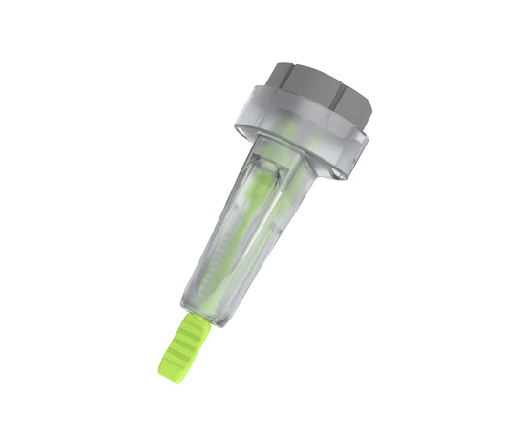
Fingerstick testing involves more variables than the puncture device alone. Skin condition, circulation, hand temperature, sampling location, hygiene, and collection technique can all influence whether blood is obtained efficiently and whether the procedure feels comfortable. Understanding these factors helps explain why the same disposable safety lancets may perform differently under changing conditions. SteriLance develops capillary blood sampling devices for routine applications, while successful testing still depends on how the device interacts with the sampling environment and the person being tested.
Hand Temperature And Peripheral Circulation
Cold fingers can make capillary sampling more challenging because peripheral blood flow may be reduced. A person with cool hands may notice that obtaining sufficient blood takes longer than expected, even though the device itself has not changed.
Gentle warming before testing can support circulation in the fingertip. Warm water or rubbing the hands lightly may help, although excessive heat should be avoided because it can cause discomfort or affect the skin.
Circulation also varies between individuals and can change throughout the day. Physical activity, environmental temperature, hydration, and certain health-related factors may influence peripheral blood flow. Such differences explain why identical sampling procedures can produce different results.
Skin Condition And Finger Selection
The condition of the fingertip deserves attention before puncture. Dryness, calluses, irritation, and areas that have recently been punctured can alter both resistance and sensitivity. Selecting an appropriate site is therefore an important part of the sampling process, alongside the mechanical characteristics of the device.
Repeated testing may make certain locations more tender over time. Rotating suitable sampling sites can distribute repeated punctures rather than repeatedly stressing one small area. The exact approach should follow the instructions associated with the relevant test and device.
Finger choice can also affect comfort because sensory receptors are not distributed identically across the fingertip. Many blood sampling instructions recommend using the side of the fingertip rather than the central pad, although specific recommendations depend on the testing method.
Technique And Blood Collection
Device positioning affects how the puncture mechanism interacts with the skin. Stable contact with the intended site can help the device function as designed, while inconsistent positioning may make the experience less predictable.
Pressure after puncture represents another important consideration. Excessive squeezing can cause discomfort and may introduce tissue fluid into the specimen. If blood flow appears insufficient, reassessing preparation and sampling technique may be more useful than simply applying greater force.
SteriLance offers several safety-lancet configurations designed around different activation methods. One example, the Disposable Safety Lancet (Elite model), uses a rear-button trigger and a twin-spring system. Its built-in status indicator is intended to help reduce misuse, while the manufacturer describes the model as suitable for daily diabetic self-testing at home or while traveling.
Hygiene And Sample Preparation
Clean hands form an essential part of routine capillary testing. Washing with soap and water can remove substances from the skin that might interfere with certain measurements. The sampling area should then be prepared according to the instructions for the specific test.
Alcohol-based products may require particular handling because residue or insufficient drying can affect comfort. Testing instructions should therefore take precedence over generalized advice whenever they specify how the sampling site should be prepared.
Sample collection itself should also remain controlled. Blood should be obtained according to the relevant procedure rather than through repeated manipulation of the fingertip. Careful preparation can reduce unnecessary variables before the measurement even begins.
Device Characteristics And Daily Habits
Mechanical design still plays an important role once external factors have been considered. Activation method, puncture characteristics, handling requirements, and visual indicators can influence how easily users incorporate the device into a regular testing routine.
People who test frequently may pay particular attention to portability and ease of handling. Compact devices can be practical for travel, while intuitive activation may reduce the number of steps required during routine sampling. Disposable safety lancets should therefore be assessed according to intended use rather than judged solely by needle-related specifications.
Storage conditions deserve consideration as well. Medical devices should remain in their original packaging and be stored according to the manufacturer’s instructions. Expired, damaged, or improperly stored products may not represent the conditions under which the device was designed to function.
Conclusion
Successful fingerstick collection reflects an interaction among the device, the sampling site, and the surrounding circumstances. Temperature, circulation, skin condition, finger selection, hygiene, technique, and storage can each introduce variation, making device specifications only one part of the overall picture. Disposable safety lancets can support controlled capillary sampling, but informed preparation remains essential to everyday testing. Through its range of safety-lancet designs, SteriLance provides options that can be considered alongside the practical requirements of home testing, travel, and routine diabetic self-monitoring.
Disclaimer: This content is provided for general health education and informational purposes only. It does not constitute medical advice, diagnosis, or treatment. Individual health conditions vary, and no health education article can replace a face-to-face consultation with a qualified healthcare professional or licensed medical institution. If you have specific health concerns or feel unwell, please seek care from a licensed medical facility and do not delay treatment because of content on this platform.
