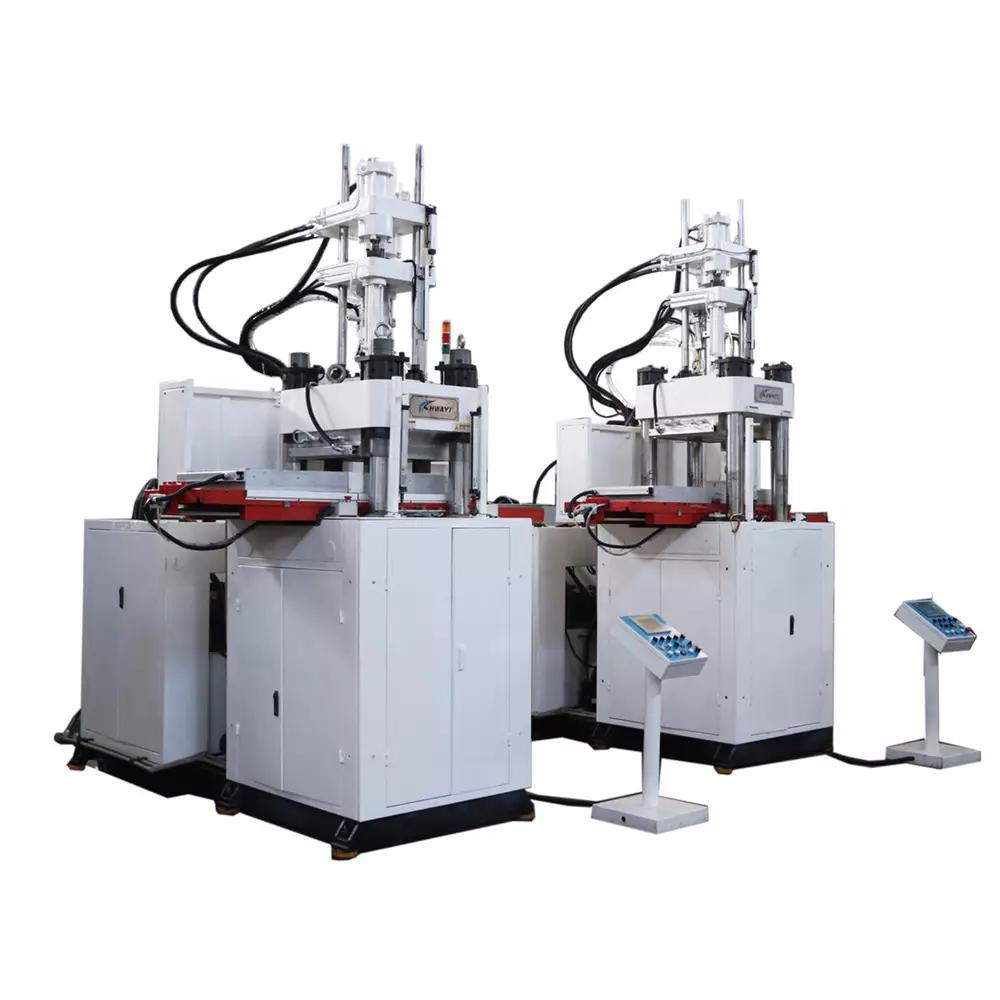
Producing precision silicone components requires exact coordination between mechanical systems and tooling geometry. In industrial manufacturing, tooling architecture directly influences material flow, curing times, and final product consistency. For B2B buyers investing in high-volume production, understanding how mold configurations interact with the primary processing equipment is essential for maintaining strict dimensional tolerances and operational efficiency. Mold structural integrity and advanced material delivery systems dictate the cost-effectiveness of the manufacturing cell. Analyzing tooling design is therefore just as critical as evaluating the core mechanical press when establishing a new production line.
Cold Runner Systems and Material Management
Effective material distribution within the tooling is a primary factor in optimizing production economics. Unlike traditional thermoplastics, liquid silicone cures upon exposure to heat, requiring a highly controlled thermal boundary between the delivery system and the heated cavities. An advanced lsr molding machine relies on precision cold runner blocks to maintain the raw material in a highly viscous, uncured state until it reaches the injection point. These systems use chilled water circulation to prevent silicone from vulcanizing prematurely.
Poorly designed gating can lead to premature curing, increased material waste, and inconsistent part density. Utilizing specialized nozzle designs and precise valve gates, facilities can effectively eliminate cold runner waste, which is particularly beneficial when handling costly raw materials. A robust liquid silicone injection molding machine operates most efficiently when the mold incorporates balanced runner pathways, ensuring uniform pressure distribution across all cavities during the filling phase. This balance minimizes internal stresses within the molded components and stabilizes cycle-to-cycle repeatability. Maintaining this pressure equilibrium prevents structural weak points that cause component failure under stress.
Precision Venting and Vacuum Integration
Air entrapment remains a significant challenge in high-speed manufacturing environments. Because liquid silicone possesses a very low viscosity before cross-linking, it flows rapidly into complex cavity geometries. This rapid flow easily traps ambient air if venting channels are inadequate. Tooling engineers must design microscopic venting clearances that allow gas to escape without permitting the silicone to flash out of the mold. Excessive flash requires costly manual trimming and significantly reduces production throughput.
Partnering with an experienced equipment provider ensures that these tooling requirements are seamlessly integrated with the mechanical pressing unit. For instance, HWAYI leverages over 25 years of engineering experience and holds more than 20 invention patents, enabling the precise synchronization of vacuum systems with the clamping sequence. Applying a deep vacuum to the mold just milliseconds prior to material transfer significantly reduces the risk of voids and short shots. When evaluating a high-performance liquid silicone injection molding machine, the capacity to pull and maintain a high vacuum through tightly sealed mold enclosures is a key determinant of final part quality. This integration is vital for producing defect-free medical devices or high-voltage insulators.
Thermal Dynamics and Curing Optimization
The vulcanization phase dictates the mechanical properties of the finished silicone product. Tooling must be engineered to distribute heat uniformly across every cavity. Uneven thermal transfer leads to localized scorching or incomplete cross-linking, compromising the tensile strength and elasticity of the component. To counter this, high-quality molds utilize strategically placed heating cartridges, heavy-duty insulation plates, and precise thermocouple positioning.
The performance of these molds is intrinsically linked to the heating platens of the processing equipment. An industrial-grade lsr molding machine is programmed via advanced logic controllers to maintain platen temperature deviations within highly restricted margins. When the mold’s thermal architecture aligns perfectly with the machine’s heating parameters, manufacturers achieve faster curing cycles and lower energy consumption. Precise thermal management prevents the degradation of delicate mold components, extending the operational lifespan of the tooling and reducing long-term maintenance overhead. Consistent heat distribution is especially critical for thick-walled components, where the core of the part must reach optimal vulcanization temperatures at the exact same rate as the exterior surfaces.
Demolding Automation and Structural Integrity
Handling cured silicone parts requires careful consideration of the demolding process, particularly for components with complex undercuts or fragile geometric profiles. Mold designs often incorporate specialized ejection mechanisms, such as sweeper boards, synchronized air blow-offs, or automated robotic end-of-arm tooling. The structural rigidity of the mold base is vital to support these automated ejection processes without flexing under high clamping forces, which could otherwise cause dimensional warping over thousands of cycles.
Addressing these complex interactions requires comprehensive turnkey project support. Rather than sourcing tooling and mechanical presses separately, industrial buyers benefit from unified engineering solutions. Facilities can rely on HWAYI for complete system integration, encompassing the specific process parameters, custom mold fabrication, and the core machinery. With a portfolio supported by over 40 utility patents in large-scale molding equipment, this unified approach eliminates compatibility issues between the tooling and the mechanical press. Customizing the mold in tandem with the machinery ensures that stroke lengths, daylight openings, and ejection sequences are perfectly synchronized for uninterrupted automation, ultimately yielding a higher cost-performance ratio for the procurement team.
Strategic Integration for Operational Stability
The relationship between tooling architecture and the mechanical pressing unit dictates the overall success of liquid silicone processing operations. Procurement teams must look beyond standard equipment specifications and evaluate how effectively the machinery interfaces with complex, multi-cavity molds. Prioritizing precision thermal controls, balanced material delivery, and robust structural support ensures high production yields and minimal material waste. By selecting engineering partners capable of delivering integrated, customized manufacturing solutions, industrial facilities can secure reliable, cost-effective production capabilities. This holistic machinery alignment guarantees compliance with international quality standards and supports operational stability.
