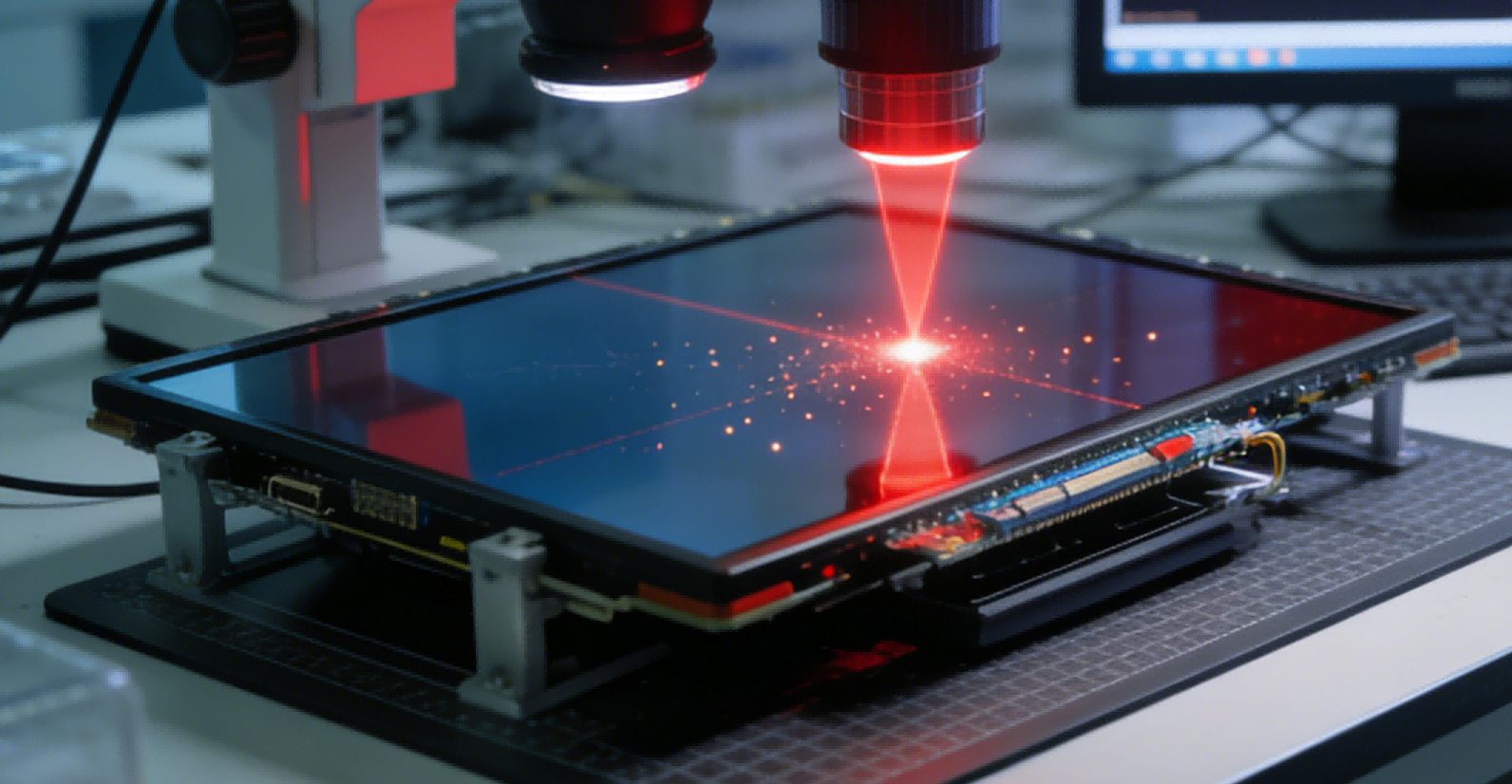
In the realm of precision manufacturing, the choice of laser technology can significantly affect both the quality and efficiency of the production process, especially when it comes to cutting glass. Femtosecond lasers have emerged as a formidable option due to their ability to deliver ultra-short pulses with high precision. In contrast, picosecond lasers tend to lag behind in various applications, particularly in the intricate field of glass cutting. Understanding the distinctions between these two types of laser systems is essential for manufacturers aiming to enhance their production capabilities.
Precision and Quality in Cutting
Femtosecond lasers operate by emitting pulses that are significantly shorter than those of picosecond lasers. This ultra-short pulse duration minimizes heat-affected zones, resulting in cleaner cuts and finer details, which are critical when working with delicate materials like glass. This precision is vital for industries that require high optical quality and intricate designs. The JPT-LIT 20, for instance, embodies this technology with its innovative cooling architecture, which maintains excellent optical parameters during operation.
Thermal Management Advantages
The efficiency of femtosecond laser systems lies in their effective thermal management. Unlike picosecond lasers, which may create thermal stress that can lead to cracking or distortion, femtosecond lasers utilize a significantly lower average power laser beam while still achieving high processing speeds. This reduces the impact of heat on the material, providing not only higher fidelity cuts but also extending the lifespan of the machinery being utilized.
Reliability in Industrial Applications
Another advantage of femtosecond lasers is their ability to function reliably in harsh industrial environments. The robust design of systems like the JPT-LIT 20 ensures stable performance under challenging conditions, while integrated dust protection features enhance their resilience. This is a crucial factor for manufacturing settings that demand consistent output without interruption, a benefit that picosecond lasers often struggle to match.
Conclusion
In summary, femtosecond lasers represent a cutting-edge solution for glass cutting applications, outperforming picosecond technologies in terms of precision, thermal management, and reliability. By leveraging systems such as the JPT-LIT 20, industries can achieve superior cutting performance and meet the demands of modern manufacturing. Understanding these advantages can help manufacturers make informed decisions about implementing advanced laser technologies into their operations, ensuring that they remain competitive in a rapidly evolving market.
