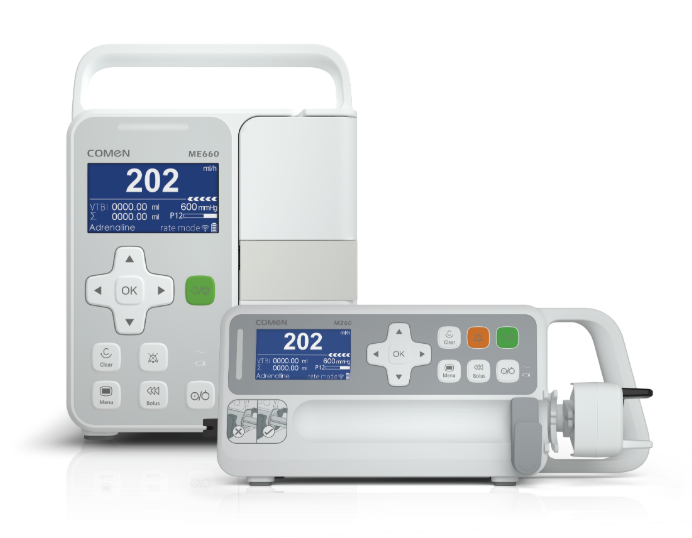
Distinction between supply chain entities is fundamental for healthcare providers seeking to optimize their procurement strategies. COMEN functions as a comprehensive medical equipment manufacturer, overseeing the entire lifecycle of a product from initial research and development to the final assembly line. While a distributor primarily focuses on the logistics of moving pre-existing inventory, a medical equipment company with manufacturing capabilities carries the responsibility of engineering, quality control, and regulatory compliance. They emphasize that the operational core of a producer involves complex factory management and deep technical expertise. By managing these internal processes, they ensure that the hardware meets specific clinical requirements before it ever reaches a third-party seller.
Research, Development, and Original Engineering
Innovation serves as the primary driver for an integrated medical equipment company like COMEN. They invest heavily in laboratories and clinical testing to create new monitoring and life support systems that do not yet exist in the market. Unlike a distributor, who selects finished goods from a catalog, a medical equipment manufacturer must navigate years of scientific validation and prototype iterations. This operational layer requires a workforce comprised of biomedical engineers and software developers. By owning the intellectual property, they can iterate on designs quickly based on direct feedback from surgeons and nurses, ensuring the final output is precisely tuned to medical needs.
Quality Management and Regulatory Oversight
Compliance with international healthcare standards forms a significant portion of the daily operations for a medical equipment manufacturer. They must adhere to rigorous ISO certifications and regional medical device regulations, which involve constant auditing of the production environment. A medical equipment company manages the integrity of raw materials and the sterilization of components, tasks that fall outside the scope of a standard logistics provider. This level of oversight guarantees that every unit leaving the facility is safe for patient use. Distributors, by contrast, focus on maintaining the integrity of the packaging and ensuring the cold chain or storage conditions remain stable during transit.
Direct Technical Support and Specialized Training
Post-market responsibilities differ greatly between those who build the technology and those who merely sell it. They provide direct technical assistance and deep-level repairs that require an intimate knowledge of the device’s internal circuitry. While a distributor might offer general customer service, the medical equipment manufacturer handles complex software patches and hardware recalibrations. Furthermore, a specialized medical equipment company conducts in-depth clinical training sessions for hospital staff, explaining the nuances of the underlying technology. This direct connection between the creator and the end-user fosters a more reliable feedback loop, leading to safer clinical outcomes and more durable equipment performance.
Clarifying the roles within the medical supply chain helps healthcare administrators make more informed purchasing decisions. They demonstrate that while distributors provide essential localized access and logistics, the medical equipment manufacturer provides the foundational innovation and quality assurance. A vertically integrated medical equipment company offers a level of technical depth and product accountability that is unique to the production side of the industry. Recognizing these operational differences ensures that medical facilities can build partnerships that offer both reliable delivery and long-term technical excellence.
