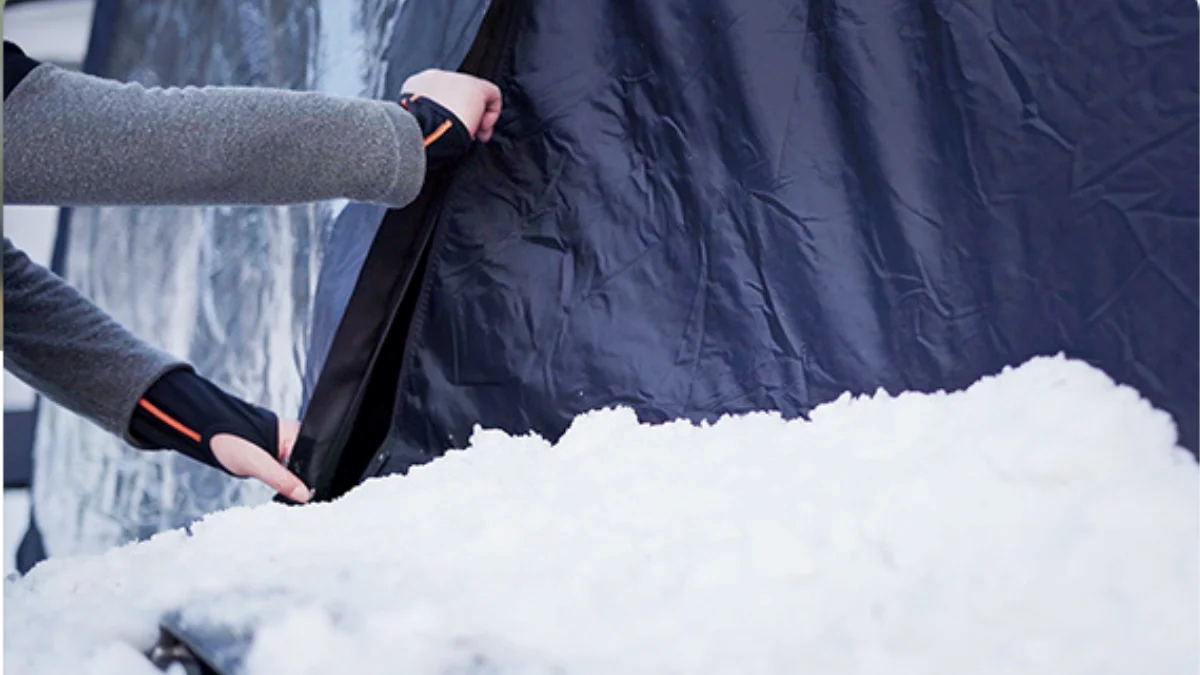
Electric car tents combine vehicle-based mobility with additional outdoor living space, making them useful for road trips, family camping, and extended travel. However, frequent exposure to weather, repeated setup, and regular transportation can gradually affect fabric, connectors, zippers, and other components. A consistent maintenance routine can help preserve performance and make the shelter more dependable over time.
Inspecting the Tent After Every Trip
The simplest maintenance habit is to inspect the shelter immediately after each trip. Users should check the fabric for tears, abrasion, stains, stretched sections, and signs of unusual wear. Seams deserve particular attention because repeated tension can gradually affect stitching and attachment areas.
The frame and support components should also be examined. Poles, clips, connectors, straps, and attachment points can experience stress during setup and removal. Even when damage appears minor, it is better to address it before the next trip rather than allowing a small problem to develop into a larger one.
For those investing in car camping equipment, keeping a simple inspection checklist can make maintenance more consistent. Recording damaged components or recurring issues can also help users determine when replacement parts may be necessary.
Keep Fabrics Clean and Completely Dry
Outdoor shelters naturally collect dust, mud, leaves, moisture, and other debris. Regular cleaning can help maintain the condition of the outer fabric and prevent dirt from accumulating around zippers or connection points.
Cleaning methods should always follow the manufacturer’s care recommendations. Harsh chemicals, stiff brushes, or aggressive washing can damage protective coatings or weaken technical fabrics. In most cases, gentle cleaning and adequate rinsing are preferable to strong cleaning agents.
Drying is even more important. A wet or damp tent should not remain packed for an extended period. Moisture trapped inside folded fabric can contribute to unpleasant odors, mildew, and material deterioration.
After camping in rain or humid conditions, users should open the tent in a dry, well-ventilated area and allow the fabric to dry completely before long-term storage. This single habit can make a significant difference to the condition of the shelter.
Smart Shell uses silicon-coated ripstop 70D nylon fabric, so protecting the outer material from harsh cleaning methods and ensuring it is completely dry before storage are particularly important maintenance steps.
Maintain Zippers and Attachment Points
Zippers are among the components most frequently handled during camping. Dirt, sand, and moisture can affect their movement, especially when the tent is used repeatedly.
Users should inspect zippers for smooth operation and visible damage. If a zipper begins to stick or separate, continuing to force it can increase the problem. Gentle cleaning and appropriate maintenance procedures can help preserve normal operation.
Attachment points should also be inspected because they connect the shelter to the vehicle or its support system. Straps, loops, clips, and reinforced fabric sections should remain secure and free from excessive stretching.
A well-maintained electric car tent depends on these smaller components just as much as it depends on the main fabric and frame. Regular inspection can help prevent connection problems from affecting future trips.
For Smart Shell, the vehicle connection is a central part of the design: it can be used as a rear tent, side tent, or standalone shelter, so the connection sleeve and related attachment areas should be checked whenever the configuration is changed.
Check the Frame and Structural Components
Repeated setup and dismantling can place stress on poles and connectors. Before storage, users should check for bent sections, cracks, damaged clips, or loose connections.
The frame should be assembled according to the manufacturer’s instructions rather than forced into position. Excessive pressure during setup can create damage that may not be immediately visible.
It is also helpful to keep structural components organized during storage. Poles and connectors should be stored in a way that protects them from unnecessary bending or impact. Keeping all parts together also reduces the risk of missing essential components when preparing for the next trip.
For frequent campers, occasional detailed inspections can complement quick checks after every use.
Protect the Tent During Storage
Long-term performance depends heavily on storage conditions. The tent should be kept in a clean, dry place away from prolonged exposure to direct sunlight, excessive heat, and unnecessary moisture.
Fabric should be packed according to the recommended folding or rolling method rather than compressed excessively. Repeatedly placing sharp objects or heavy equipment on top of the packed shelter can create avoidable pressure points.
Storage organizations also affect preparation efficiency. Users should keep the tent, poles, stakes, ropes, and accessories together where possible. A clearly organized storage system makes it easier to identify missing or damaged components before leaving home.
If the shelter is not used for an extended period, a periodic inspection can help confirm that the storage environment remains suitable.
Monitor Vehicle Connection Areas
Because an electric car tent is designed to interact with a vehicle, the connection zone deserves additional attention. Repeated attachment and removal can create wear around straps, seams, protective sections, and contact areas.
Users should inspect any part of the shelter that touches the vehicle for abrasion or unusual marks. Before installation, the vehicle surface should also be reasonably clean so that dirt does not become trapped between materials.
Correct attachment is important for both comfort and product longevity. A poorly positioned connection can create uneven tension and cause unnecessary stress on the shelter fabric. Following the recommended installation procedure can reduce this risk.
Smart Shell is compatible with both electric and gasoline vehicles, which makes checking the vehicle-side connection and fit particularly relevant when the shelter is moved between different vehicles or used in different configurations.
Manage Weather Exposure Carefully
Outdoor equipment is designed to handle normal environmental exposure, but maintenance requirements increase when a shelter is frequently used in difficult conditions. Strong wind, heavy rain, intense sunlight, and prolonged humidity can accelerate wear.
After significant weather exposure, users should conduct a more detailed inspection. Fabric tension, anchor points, seams, and structural components should be checked before the next deployment.
Weather planning can also reduce unnecessary stress. Choosing an appropriate campsite and installing the shelter according to site conditions can help prevent avoidable damage. The goal of maintenance is not only to repair problems but also to reduce the conditions that create them.
Establish a Preventive Maintenance Schedule
A regular maintenance schedule is more effective than relying on visible damage alone. Users can divide maintenance into several levels: a quick inspection after each trip, a more detailed check after demanding weather, and a comprehensive inspection before long-term storage.
This system makes responsibilities clearer for families, rental operators, and commercial camping businesses. It also provides an opportunity to track the age and condition of frequently used components.
Replacement should be considered when parts show significant wear or no longer function as intended. Continuing to use damaged structural or attachment components may create greater problems later, especially during adverse conditions.
THECATAL’s focus on practical outdoor equipment provides a useful reference for users who want to combine functional design with responsible equipment care. Long-term performance ultimately depends on both product construction and how consistently the equipment is maintained.
Maintaining Performance Over the Long Term
An electric car tent can remain a useful part of vehicle-based outdoor travel when cleaning, drying, inspection, storage, and correct setup become routine habits. By paying attention to fabric, zippers, connections, structural components, and vehicle attachment areas, users can reduce avoidable wear and keep the shelter prepared for future trips. THECATAL offers an outdoor equipment perspective centered on practical use, while careful maintenance helps ensure that this type of shelter continues to deliver reliable and convenient performance over time.
