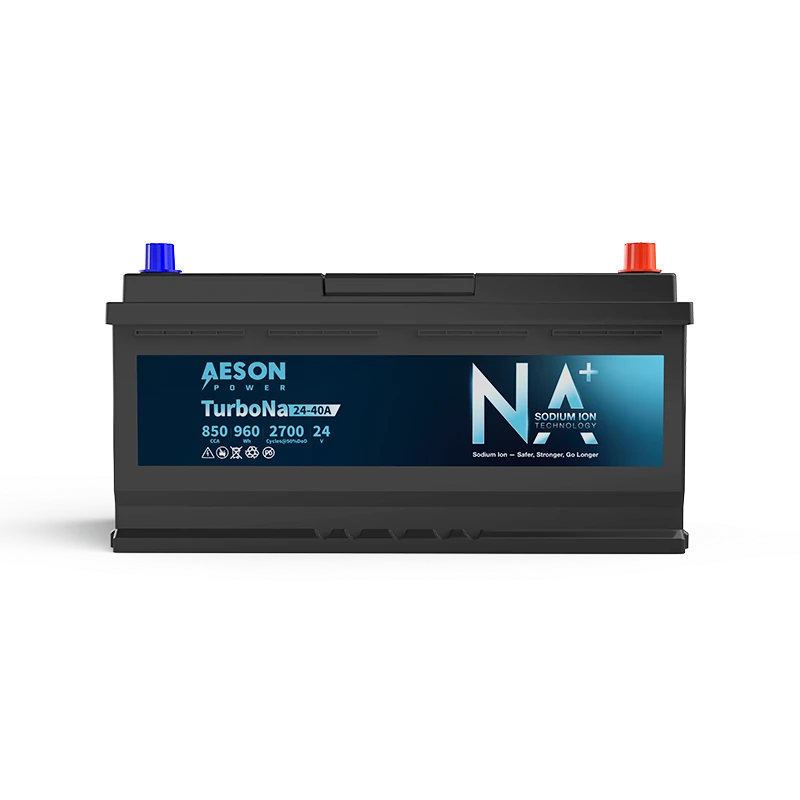
Cold Cranking Amps (CCA) is the core performance benchmark that determines whether a vehicle or heavy equipment can start successfully under harsh temperature conditions. Defined as the maximum current a fully charged battery can sustain at -18°C for 30 seconds while maintaining a minimum voltage of 7.2V, CCA directly reflects a battery’s cold-starting capability.
In real-world commercial scenarios, temperature fluctuation is one of the most common causes of unexpected starting failure. Many fleet operators face recurring seasonal troubles: vehicles start reliably in mild spring and autumn weather but fail to crank engines on frigid winter mornings.
Meanwhile, batteries that survive winter often suffer severe capacity attenuation and shortened service life after enduring continuous high temperatures in summer engine bays. These temperature-induced CCA drops lead to roadside breakdowns, delayed logistics schedules, and frequent battery replacements, greatly raising operational costs. For this reason, understanding how heat and cold alter battery electrochemical behavior is essential for engineers and fleet managers seeking consistent all-weather starting reliability.
The Electrochemical Impact of Temperature on Battery CCA
Battery starting performance relies entirely on continuous ionic migration between electrodes through electrolyte solution. Ambient temperature directly dictates electrolyte activity, ion diffusion speed, and internal resistance, fundamentally shaping a battery’s actual CCA output.
In low-temperature environments, multiple adverse changes occur simultaneously. Cold conditions thicken electrolyte fluid, dramatically increasing electrolyte viscosity. This slows ion migration efficiency and raises overall internal cell resistance. At the same time, electrode chemical kinetics decelerate significantly, limiting instantaneous current release.
The result is obvious CCA depreciation: the battery cannot deliver enough instantaneous power, while cold engine oil becomes highly viscous and requires far higher cranking torque. This severe mismatch between reduced battery output and increased engine starting load is the leading cause of winter starting failure for traditional vehicles.
High-temperature environments create a different set of hidden risks. Although heat temporarily reduces internal resistance and boosts short-term current output, it accelerates irreversible side reactions inside battery cells. Sustained high heat promotes plate oxidation, active material shedding, and continuous self-discharge. While high-temperature batteries may perform well for short periods, their long-term CCA stability deteriorates year by year, causing gradual aging and premature scrappage.
Evaluating Chemistries: Finding a Battery with High CCA across Thermal Extremes
A true battery with high CCA maintains stable cranking output despite extreme temperature swings, and different battery chemistries deliver inconsistent thermal resilience, resulting in obvious performance gaps in real commercial and automotive starting applications.
Lead-Acid (Conventional and AGM)
Traditional flooded and AGM lead-acid batteries are widely adopted in conventional vehicles but show obvious temperature sensitivity. At standard room temperature of 25°C, lead-acid batteries reach their rated capacity and nominal CCA performance.
However, once the temperature drops to -18°C, their usable starting capacity declines by 30% to 50%. For commercial trucks, engineering machinery, and fleets operating in high-latitude cold regions, this decline directly results in insufficient cranking power and failed ignition.
In high-temperature engine bay environments, lead-acid batteries suffer accelerated grid corrosion and electrolyte loss. Frequent thermal stress causes permanent structural damage, gradually weakening CCA performance throughout their service life.
Lithium-Ion (LiFePO4)
Lithium-ion batteries feature lightweight advantages and high energy density, yet they face inherent low-temperature limitations. Under sub-zero conditions, internal impedance rises sharply, severely restricting pulse discharge capability. Cold-temperature operation also carries risks of lithium plating, which damages cell structure and causes irreversible capacity loss. Most lithium starting batteries require auxiliary heating systems to guarantee low-temperature CCA performance, increasing structural complexity and failure risks for commercial vehicles.
Sodium-Ion Technology
Sodium-ion chemistry stands out as a thermally resilient solution optimized for variable climate working conditions. Adopting stable NFPP crystalline frameworks, sodium-ion cells feature lower solvation energy and smaller ionic resistance compared with lithium-ion systems. This structural advantage enables stable ionic mobility across extreme temperature ranges.
Unlike lead-acid and lithium alternatives, advanced sodium-ion batteries maintain reliable electrochemical activity from -30°C freezing environments to 80°C heat-soaked engine bays. They retain high-rate pulse discharge capability without relying on external heating or cooling devices, delivering consistent CCA output in both cold northern winters and high-temperature summer operating conditions.
Engineering Thermal Stability for Commercial Starting Applications
Commercial starting scenarios impose far stricter requirements on CCA stability than passenger vehicles. Logistics fleets, construction machinery, and long-haul trucks frequently operate outdoors with no stable ambient environment, requiring instantaneous high-current bursts to overcome mechanical inertia during startup.
Advanced sodium-ion starting architecture solves temperature-related starting pain points through inherent electrochemical stability:
First, excellent low-temperature impedance performance ensures over 90% effective discharge capacity retention at -20°C, sustaining strong pulse current output for reliable cold cranking.
Second, high-temperature chemical stability prevents thermal decomposition and capacity fade under continuous high-heat exposure, avoiding the gradual CCA degradation common in traditional batteries after summer operation.
Third, optimized cycle structures tolerate frequent micro-cycling and partial charge states typical of commercial fleet driving patterns, maintaining stable long-term starting performance without rapid aging.
Practical Fleet Operation Benefits
Temperature-stable CCA performance brings tangible improvements for daily fleet management.
For cross-region logistics fleets that travel between cold mountainous areas and hot plains, sodium-ion batteries eliminate seasonal starting instability, ensuring consistent vehicle availability throughout the year.
For engineering machinery and outdoor stationary equipment working in extreme climates, reliable wide-temperature CCA output reduces sudden shutdown failures and maintenance downtime.
In addition, effective anti-aging thermal characteristics extend battery service life, lowering long-term replacement frequency and overall fleet operating costs.
With a focus on wide-temperature battery optimization for automotive and industrial starting scenarios, Aeson Power develops reliable sodium-ion starting solutions that deliver stable CCA performance across extreme hot and cold environments, adapting to the diverse climatic demands of global commercial vehicle applications.
Consistent temperature-resistant CCA capability has become an essential indicator for modern commercial starting batteries. By overcoming the thermal limitations of traditional chemistries, sodium-ion technology effectively solves seasonal starting failures and premature battery aging, providing more stable and durable power support for global fleets and industrial equipment.
