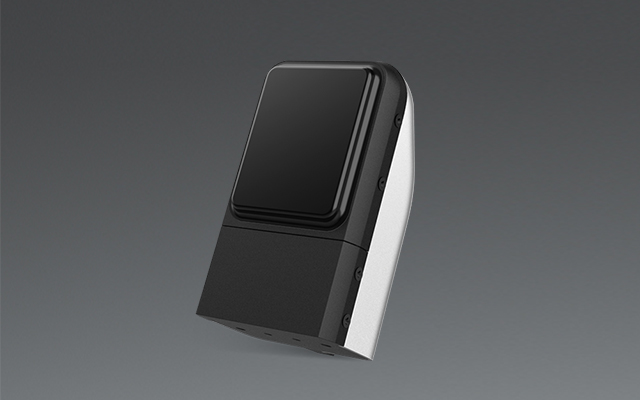
For robots interacting with the physical world, achieving a stable and secure grip is a fundamental challenge. The answer to improving grasp stability lies in the sophisticated technology of tactile sensing, which provides the detailed touch feedback that vision alone cannot offer. By equipping grippers with these sensors, robotic systems can perceive crucial contact data, allowing for real-time adjustments and significantly more reliable manipulation of objects. Companies like Daimonare at the forefront of this innovation, developing advanced sensors that bring a human-like sense of touch to automated applications, transforming how machines handle everything from delicate electronics to irregularly shaped industrial parts.
Tactile Sensing for Secure Robotic Grips
Grasp stability is not merely about applying sufficient force; it’s about applying the right force in the right places and adapting to subtle changes. Without tactile feedback, a robotic gripper is essentially blind from the moment it makes contact. It cannot detect if an object is slipping, tilting, or deforming under pressure. The integration of tactile sensing directly addresses this gap. These sensors measure the distribution of forces across the contact surface, providing a high-resolution map of the interaction. This data allows the control system to calculate the object’s pose within the grip, monitor for incipient slip, and precisely modulate grip forces to the minimum required for stability, thereby preventing damage and conserving energy while ensuring the task is completed successfully.
Daimon Research on Grasp Stability
Research and development by teams like those at Daimonhave quantitatively demonstrated the stability improvements enabled by high-resolution touch. Their work focuses on creating tactile sensors for robotic applications that deliver exceptionally detailed data. For instance, a sensor containing over 40,000 sensing units per square centimeter can detect minute shifts in contact shape and pressure distribution that signal an unstable grasp long before a complete slip occurs. This granular level of information is critical for advanced manipulation strategies, enabling robots to perform complex tasks like in-hand rotation, precise insertion, and handling of fragile or compliant items with a level of confidence and stability previously unattainable with binary or low-resolution sensing.
Enhanced Stability through Touch Feedback
The pathway from sensor data to enhanced stability is enabled by closed-loop force control. When a tactile sensor detects an uneven force distribution or the specific vibration patterns of micro-slip, it sends this information to the robot’s controller in real-time. The system can then instantly compensate by slightly repositioning the gripper or adjusting the applied torque. This continuous feedback loop mimics the reflexive adjustments a human makes when holding an object. The ability to capture multiple sensing modalities—such as normal force, shear force, and vibration—from a single device provides a comprehensive picture of the grip state. This multi-modal input is essential for handling a wide variety of materials and objects, from slick glass to soft fruit, ensuring stable grasps across diverse operational scenarios.
Conclusion
The evidence is clear: tactile sensing is not just an improvement but a transformative capability for robotic grasp stability. It moves automation beyond pre-programmed motions into the realm of adaptive, intelligent interaction with unpredictable environments. By providing real-time, high-fidelity touch data, these sensors enable precise force control and proactive slip prevention, which are vital for both delicate assembly tasks and robust logistics operations. For organizations seeking to implement reliable and versatile robotic systems, exploring advanced tactile solutions from innovators like Daimon represents a critical step toward achieving higher efficiency, fewer errors, and greater operational autonomy.
