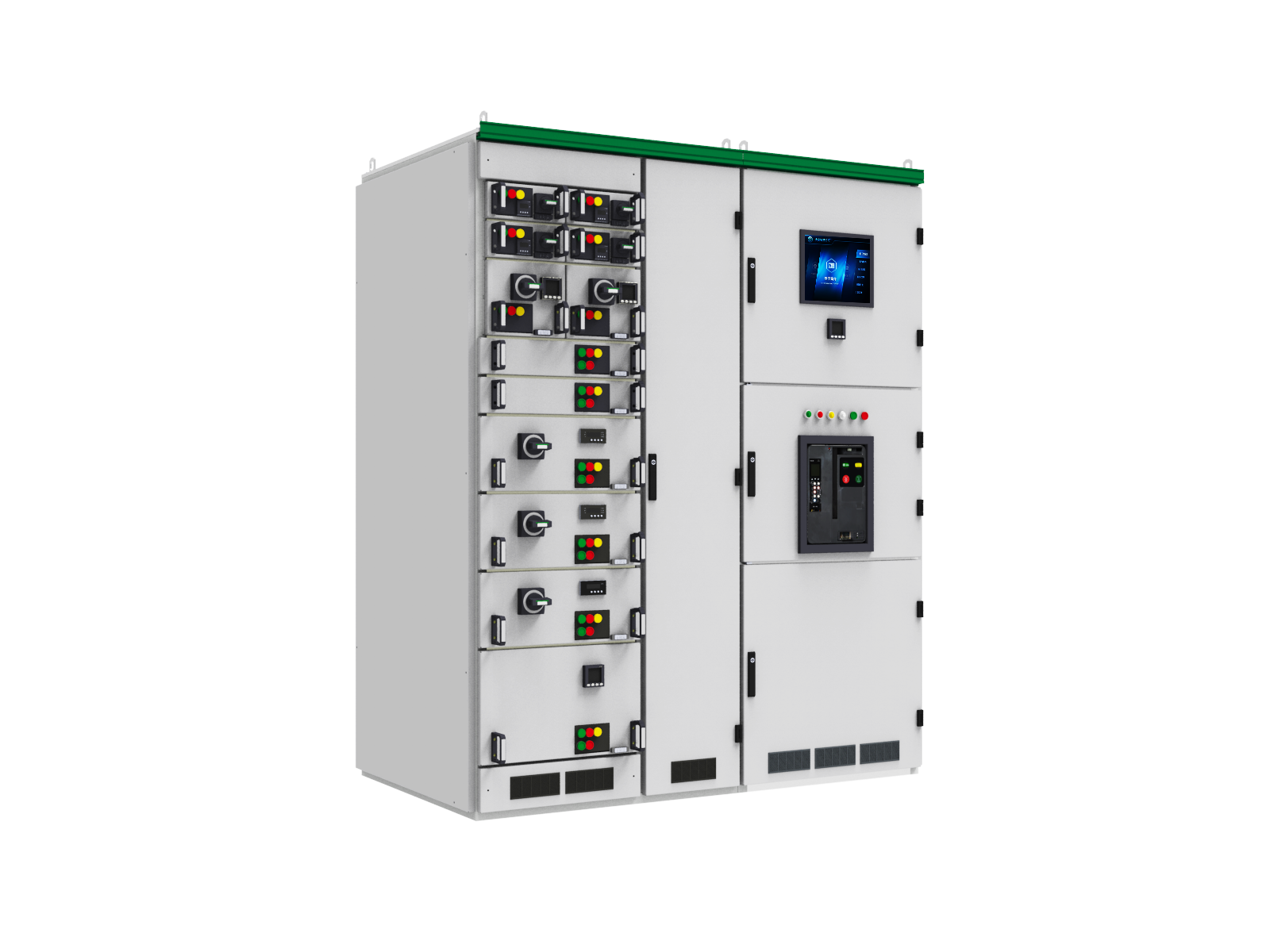
A photovoltaic (PV) power station needs more than solar modules and inverters to deliver electricity to the grid. It also requires electrical equipment that transforms voltage, distributes power, and protects the system during abnormal operating conditions. A well-designed substation brings these functions together in a coordinated, space-efficient installation.
For manufacturers, building a compact cubicle transformer substation involves several connected stages, from defining electrical requirements to integrating switchgear, transformers, protection systems, and monitoring equipment. Each decision affects installation time, operational reliability, maintenance access, and compatibility with the project’s grid connection requirements.
Define Electrical Requirements and Site Conditions
Manufacturing begins with a clear understanding of the application. Engineers evaluate the PV station’s installed capacity, inverter output voltage, required grid voltage, expected load, fault levels, environmental conditions, and applicable electrical standards. These parameters establish the foundation for equipment selection and system configuration.
For example, a PV inverter may deliver electricity at 0.8 kV before the transformer raises the voltage to 10 kV or 35 kV, depending on the project’s connection design. These are illustrative values rather than universal specifications. The actual voltage ratio must match the inverter, transformer, and utility requirements.
Engineers also assess available installation space, ambient temperature, humidity, dust exposure, ventilation, transportation constraints, and access for maintenance. Establishing these conditions early helps manufacturers determine the enclosure dimensions, cooling arrangements, insulation requirements, and equipment layout before fabrication begins.
Select and Integrate the Main Electrical Components
The next stage is to select components that operate together as a complete system. A typical containerized substation for solar power includes a step-up transformer, high-voltage switchgear, low-voltage switchgear, protection devices, auxiliary equipment, and an intelligent monitoring system. Their ratings and interfaces must be coordinated to prevent mismatches during operation.
The transformer must handle the expected power output and operating conditions, while switchgear provides the means to control and isolate electrical circuits. Protection devices detect abnormal conditions and initiate appropriate responses. Monitoring equipment collects operating data, helping personnel identify developing problems and assess system performance.
Manufacturers must also decide how to arrange these components within the enclosure. A compact cubicle transformer substation requires careful coordination of cable routing, electrical clearances, ventilation, and maintenance access. A smaller footprint is valuable, but it should never compromise insulation distances, heat dissipation, equipment accessibility, or personnel safety.
Design the Enclosure and Internal Layout
Enclosure design affects both environmental protection and long-term reliability. Manufacturers consider structural strength, corrosion resistance, weather exposure, ventilation, and the separation of electrical compartments. Where the design uses distinct high-voltage, transformer, and low-voltage compartments, each section can be arranged to support its operational and maintenance requirements.
The European-type substation offered by Daqo Group illustrates this compartmentalized approach. Its official product information describes high-voltage switchgear, a transformer, and low-voltage switchgear installed in separate, isolated compartments within one housing. The high-voltage ratings of 6–35 kV, low-voltage ratings from 0.4 kV to 1.14 kV, and rated capacities from 1,000 kVA to 8,000 kVA.
These specifications apply to that particular product series, not every substation design. Manufacturers should confirm project-specific ratings, enclosure protection, ambient conditions, and altitude requirements before finalizing a configuration.
Build in Protection and Intelligent Monitoring
Electrical protection and monitoring should be integrated during design rather than added as afterthoughts. Depending on the system configuration, the design may include circuit breakers, isolating and earthing arrangements, transformer temperature monitoring, alarms, and communication interfaces. Protection settings must coordinate with the wider electrical network and the project’s fault-level calculations.
Intelligent monitoring can help operators track operating conditions, detect alarms, and simplify maintenance planning. Remote visibility is particularly useful for solar installations spread across large sites, where frequent manual inspections may be inefficient. However, monitoring functions depend on the selected sensors, communication architecture, control equipment, and software.
Manufacturers should document alarm thresholds, control logic, communication protocols, and operating procedures. Clear documentation makes commissioning more efficient and gives the owner’s maintenance team a practical reference for troubleshooting and routine inspections.
Manufacture, Assemble, and Test Before Delivery
Once the engineering design is approved, production teams fabricate the enclosure, install internal supports, mount electrical equipment, and complete power and control wiring. Quality checks at each stage help identify dimensional errors, loose connections, wiring inconsistencies, and assembly defects before the unit leaves the factory.
Testing should follow the applicable standards and approved project specifications. The International Electrotechnical Commission’s IEC 62271-202 addresses service conditions, rated characteristics, structural requirements, and test methods for prefabricated high-voltage substations.
Factory assembly and testing can reduce on-site installation work, although the actual time savings depend on project complexity, transport arrangements, and site readiness. Manufacturers should provide test records, wiring diagrams, operating manuals, and equipment documentation to support installation and commissioning.
Prepare for Installation and Long-Term Operation
A prefabricated substation simplifies deployment by consolidating equipment into a coordinated package. Nevertheless, the project team must prepare foundations, cable trenches, grounding connections, lifting arrangements, and access routes before delivery. After installation, qualified personnel should verify electrical connections, protection settings, grounding, and communication functions before energization.
For business buyers, supplier evaluation should therefore extend beyond purchase price. Engineering support, customization capability, manufacturing quality, documentation, delivery coordination, and after-sales service all influence the project’s lifecycle costs.
Daqo Group’s containerized substation solutions are designed to integrate transformation, switching, and monitoring functions for photovoltaic applications. The platform covers high-voltage ratings of 10–35 kV and low-voltage ratings of 0.4, 0.69, and 0.8 kV, with rated capacities of 3,300, 6,600, and 9,000 kVA specified at an ambient temperature of 40°C.
These ratings allow the substation to be matched to different PV plant scales and grid-connection voltages. Buyers should verify the selected configuration against their specific project requirements.
Building Reliability Through Integrated Engineering
Manufacturing a compact cubicle transformer substation requires coordinated electrical design, component selection, enclosure engineering, protection integration, and quality testing. Each stage contributes to safe operation, efficient deployment, and manageable maintenance throughout the equipment’s service life.
For developers, EPC contractors, and industrial power system integrators, the most suitable solution is not necessarily the smallest enclosure or the highest rated capacity. It is the configuration that meets grid requirements, fits site conditions, and provides dependable performance. Working with an experienced manufacturer such as Daqo Group can help project teams evaluate these factors and develop a substation solution aligned with their operational objectives.
